what are you looking for?

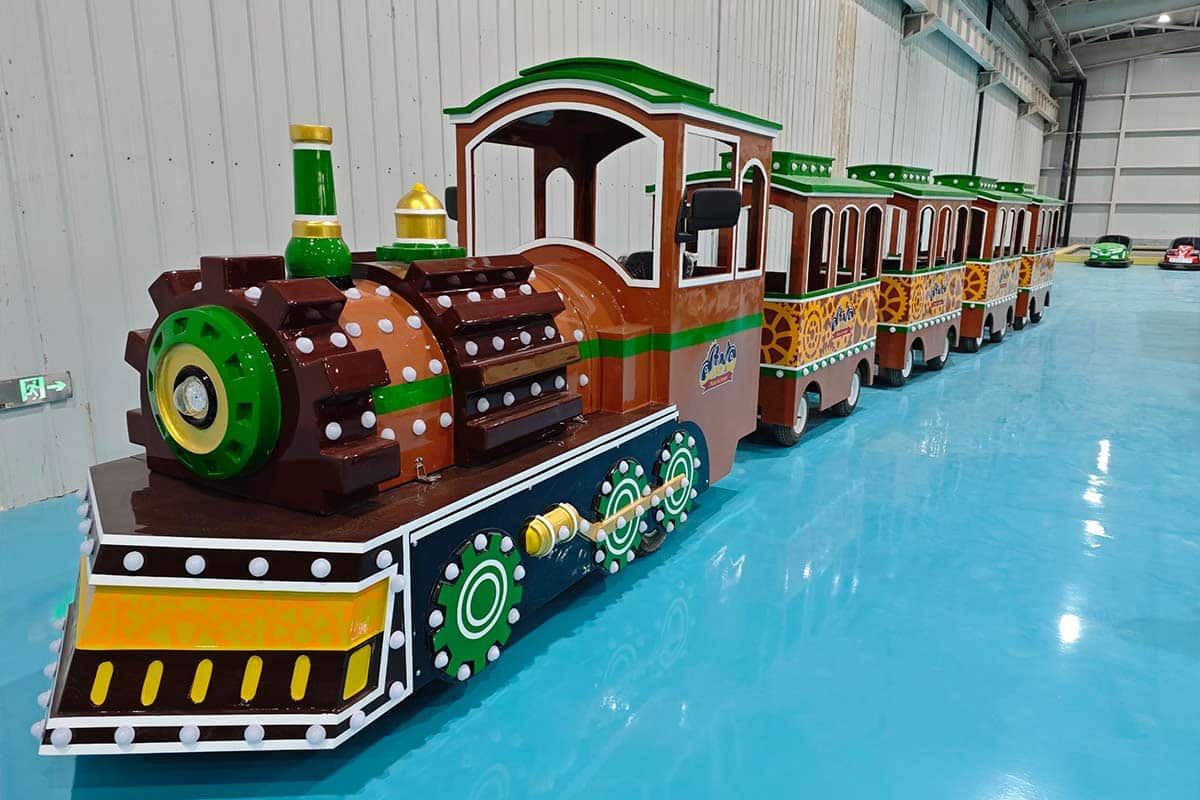
Every buyer wants a competitive quotation. That is reasonable.
But the lowest quotation is only meaningful when the products being compared are genuinely similar.
Two manufacturers may both describe their product as a 28-seat commercial trackless train, yet the actual specifications can differ significantly.
Check items such as:
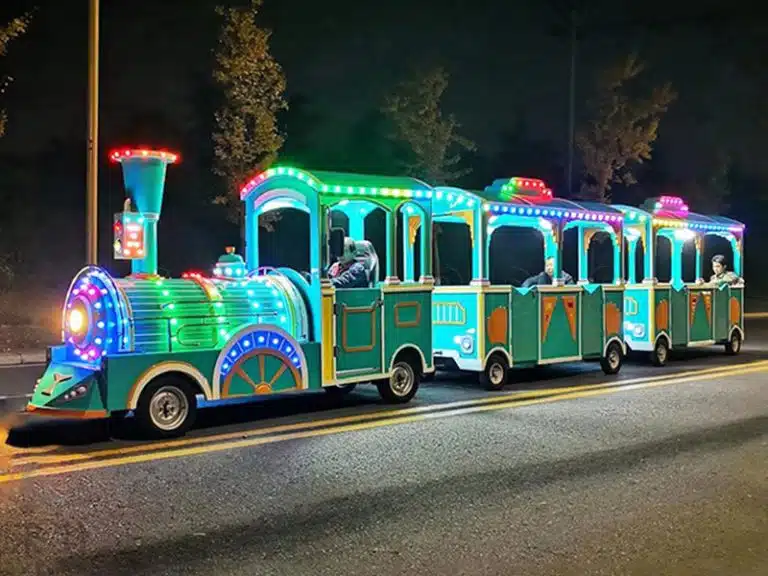
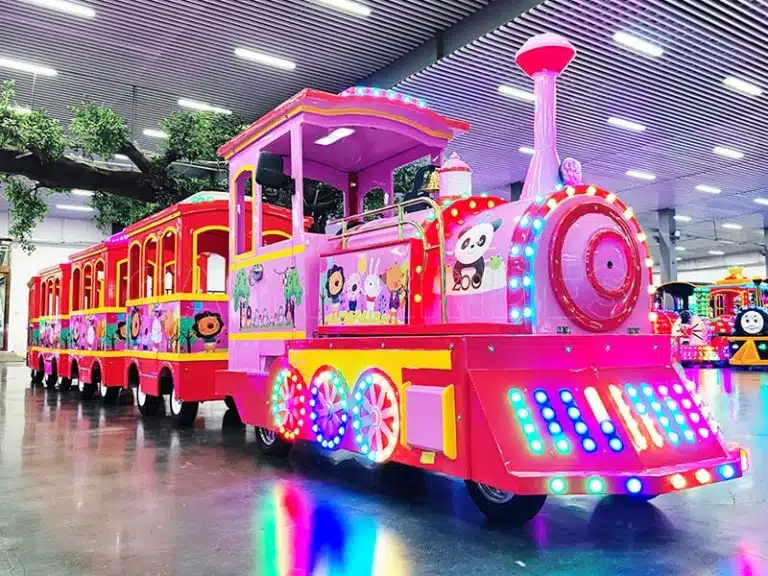
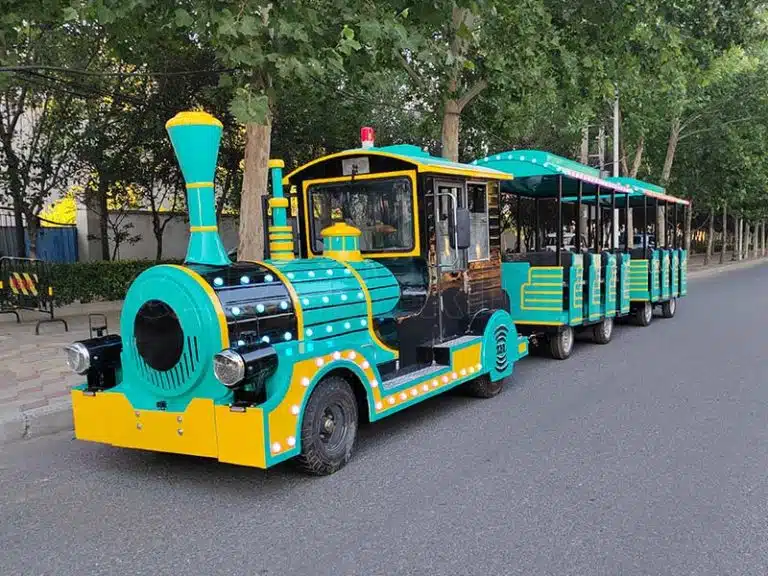
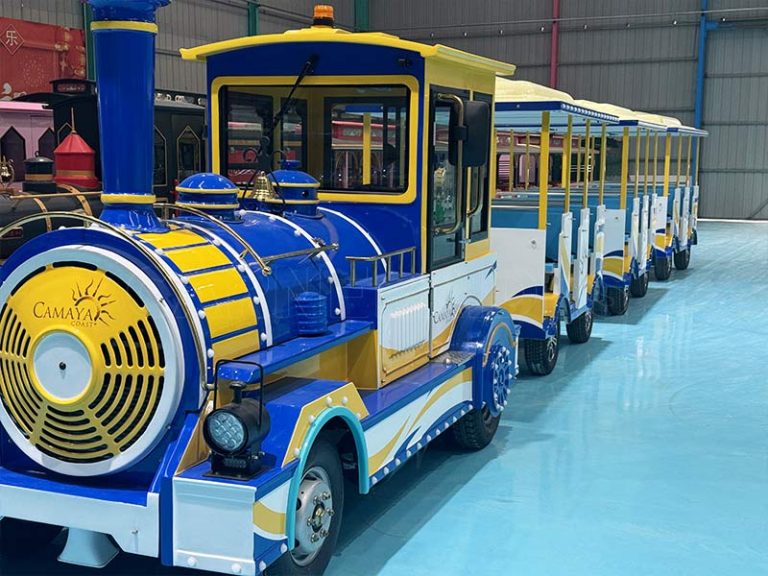
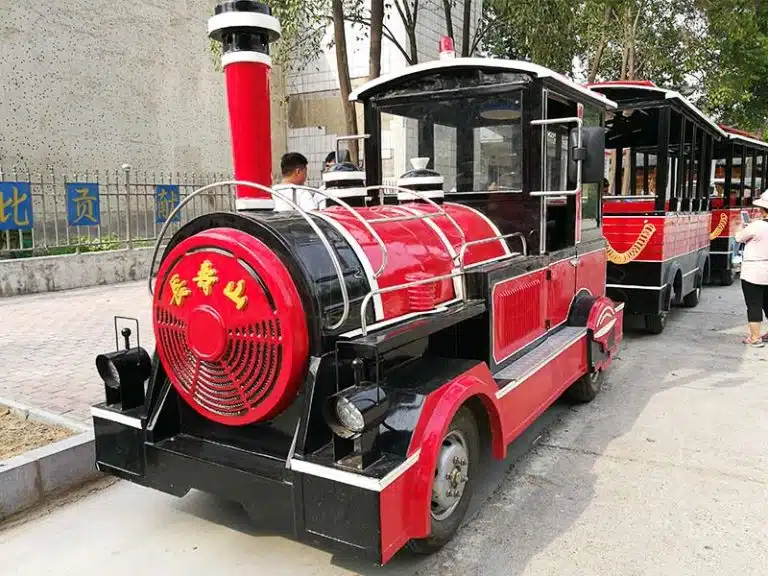
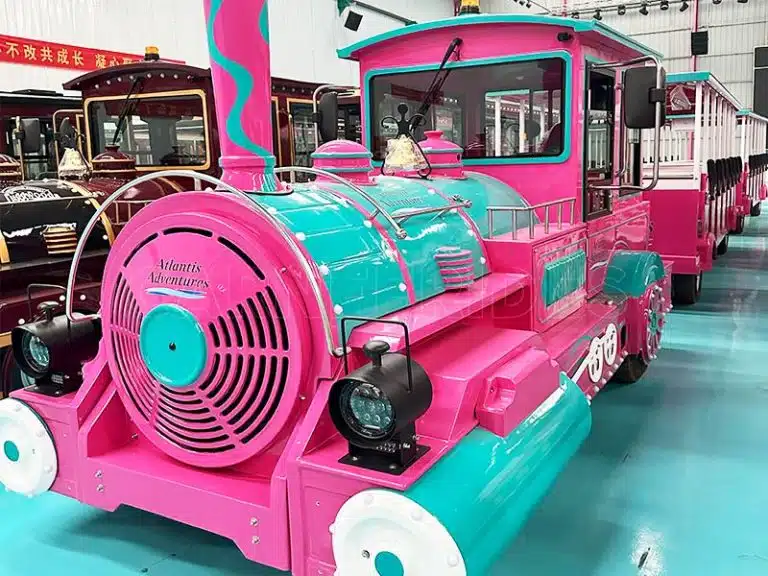
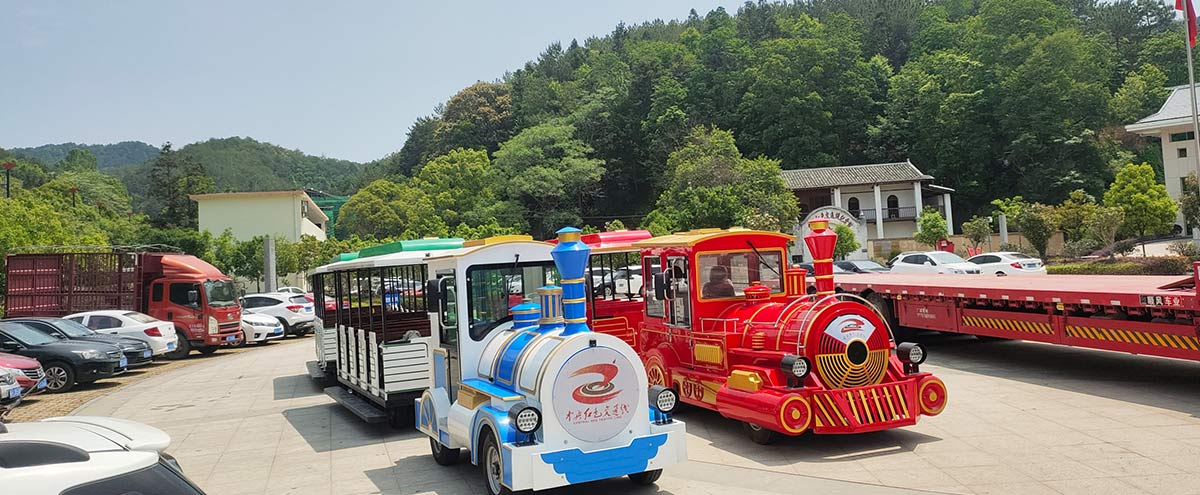
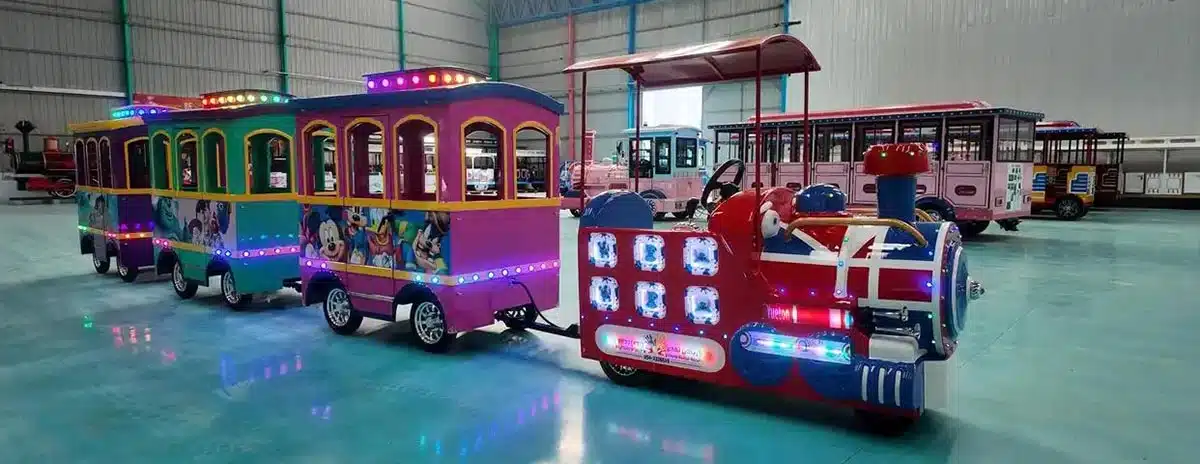
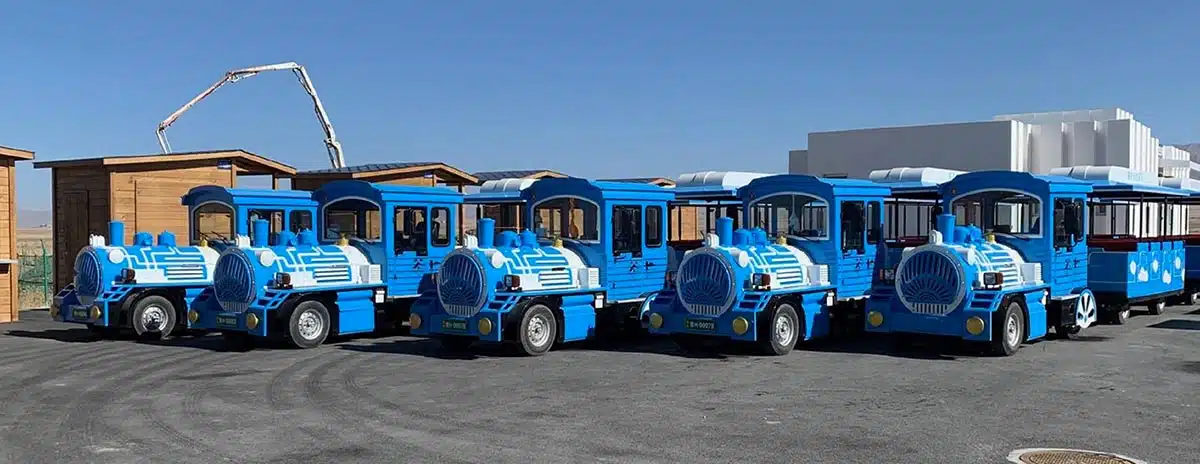
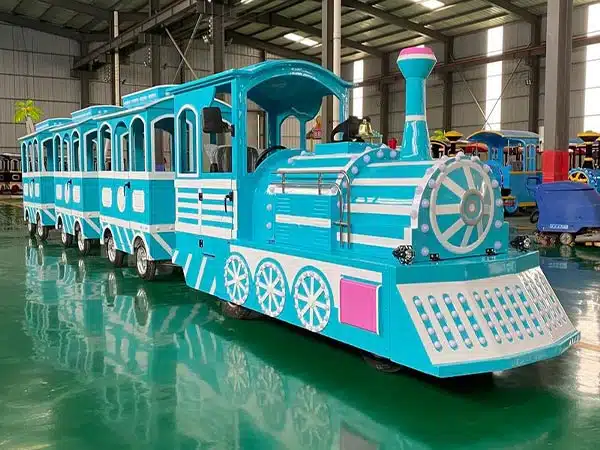
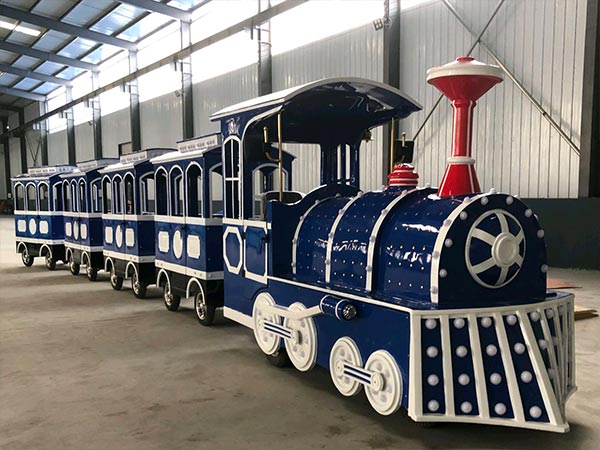
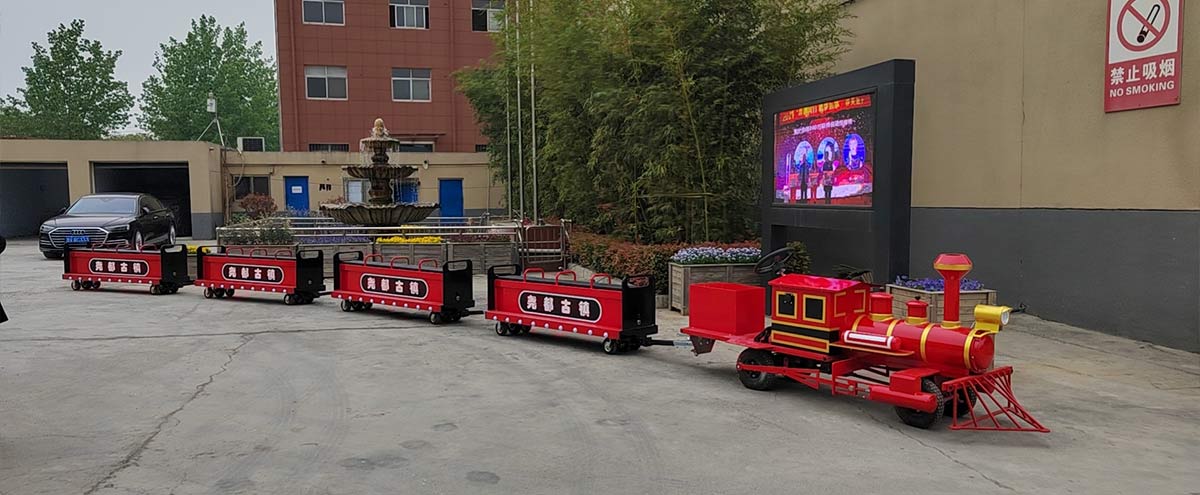
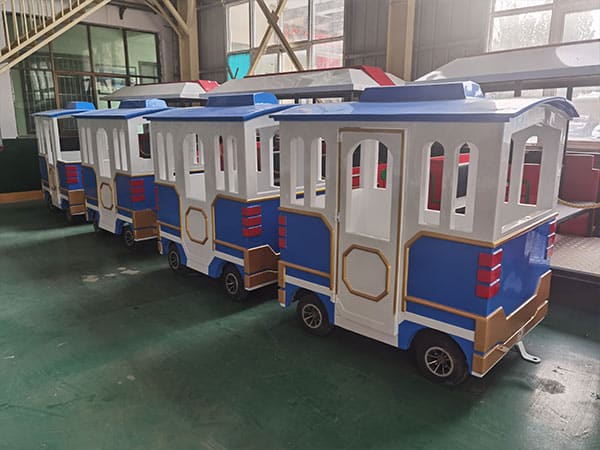
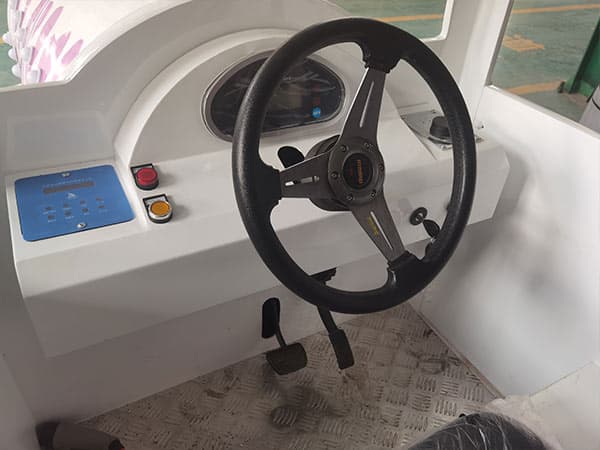
This is particularly important when you search for an amusement park train for sale online. Product photos can make two trains look almost identical even when their technical specifications and support packages are very different.
A simple quotation sheet makes the differences easier to see:
| Specification | Supplier A | Supplier B | Supplier C |
|---|---|---|---|
| Passenger capacity | |||
| Number of carriages | |||
| Power system | |||
| Battery type/capacity | |||
| Charger | |||
| Tested gradient | |||
| Braking system | |||
| Roof/weather protection | |||
| Spare parts | |||
| Factory test | |||
| Documents | |||
| Warranty |
Once the configurations are aligned, the price comparison becomes much more useful.
A sightseeing train is a commercial asset, so its real cost continues after delivery.
A practical ownership model is:
Total ownership cost = purchase + energy + maintenance + major replacements + spare parts + downtime
International buyers should also consider freight, import costs and destination-specific requirements.
This does not mean the more expensive train is automatically the better investment. A competitively priced train can offer excellent value when its configuration and support are appropriate.
The goal is to identify why one quotation is lower.
For a more detailed explanation of pricing, see our trackless train cost guide.
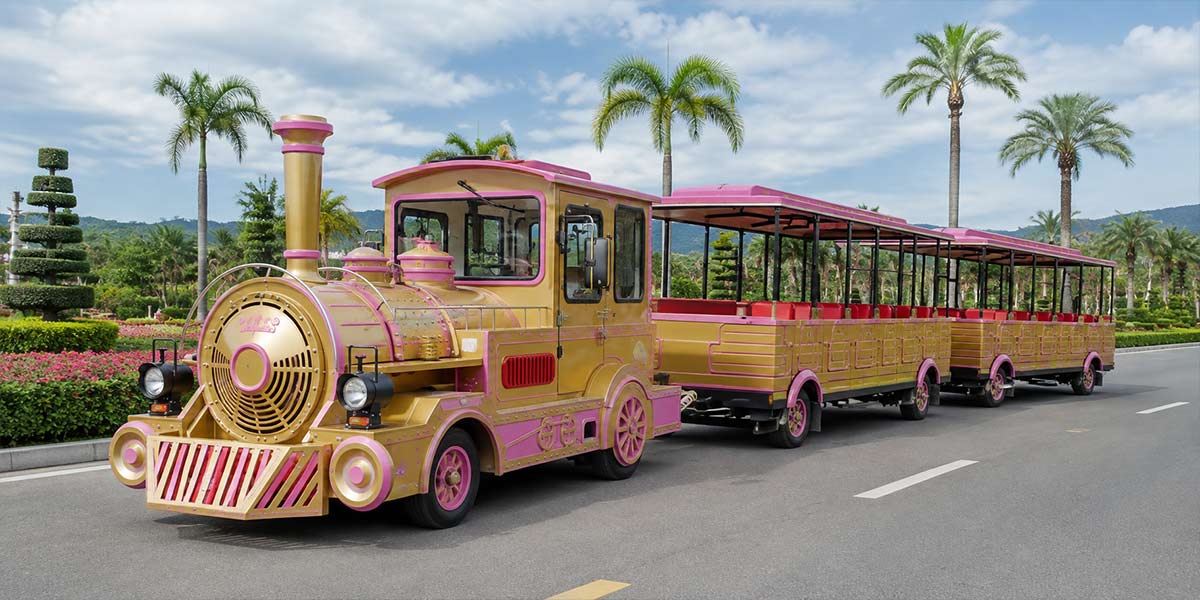
A common purchasing sequence is:
For a commercial tourist attraction, the better sequence is the opposite.
The route should help determine the vehicle.
Before selecting a model, record:
Route photos, video and a basic site drawing are also very useful.
For example, two attractions may both report a maximum gradient of 10%.
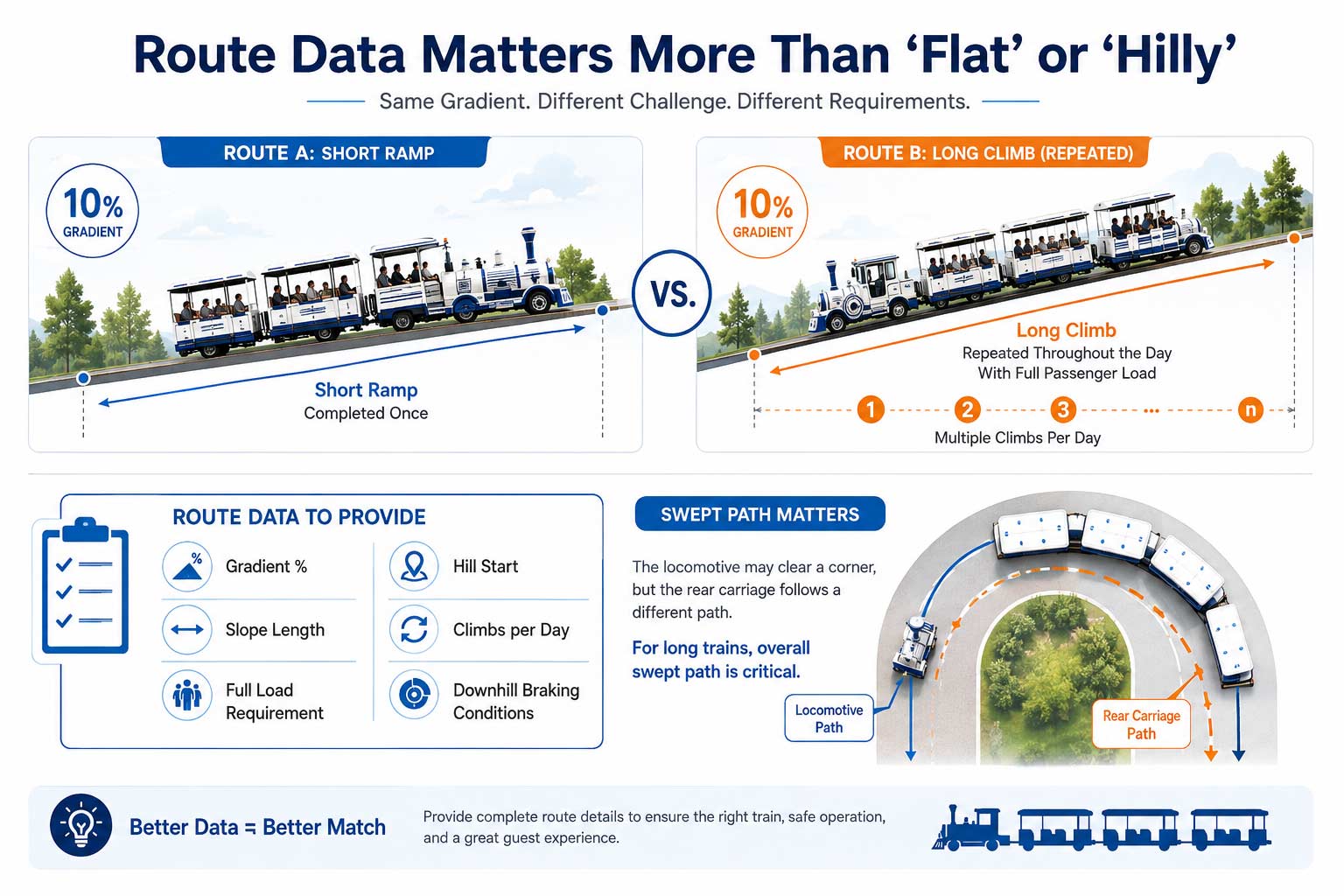
But one has a short ramp, while the other has a long climb that must be completed repeatedly with a full passenger load.
Those are different operating conditions.
For sloped routes, provide:
The same principle applies to turning space.
The locomotive may clear a corner while the rear carriage follows a different path. For a long train, overall swept path matters more than simply knowing the locomotive dimensions.
A tourist road train is often practical when the venue already has suitable roads and values route flexibility.
A track train may be worth evaluating when the attraction wants a permanent route and is prepared to build dedicated railway infrastructure.
Neither solution is universally better.
If that decision has not yet been made, see our trackless train vs. track train guide.
The key principle is:
Choose the transport system around the site—not the site around a train that has already been ordered.
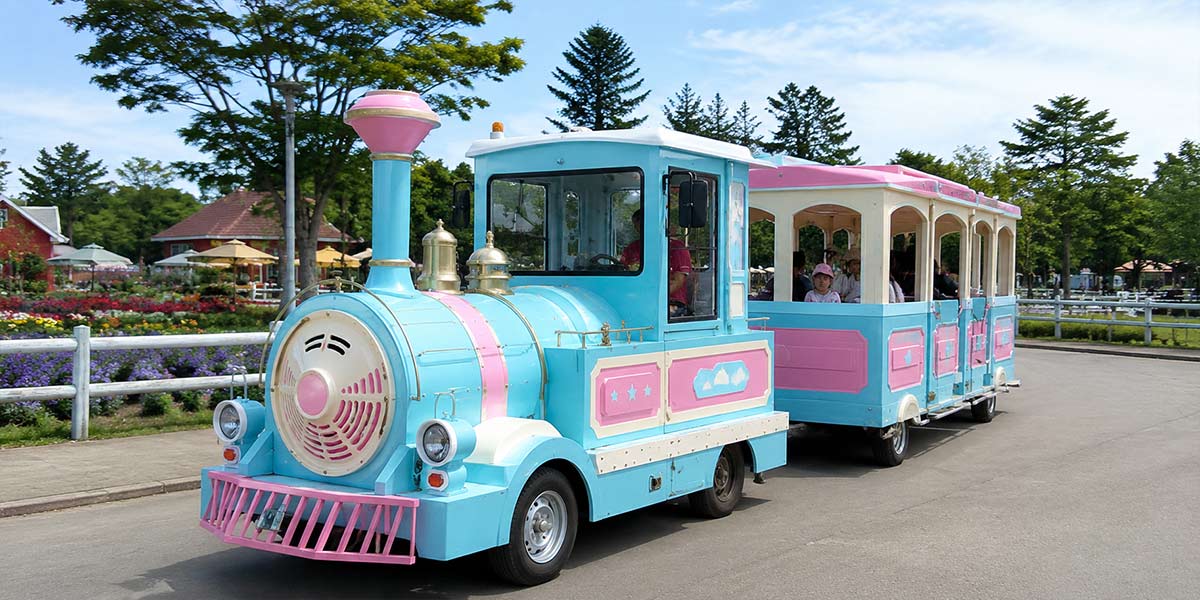
For an electric trackless train, buyers often ask about range first.
Range is useful, but it becomes meaningful only when combined with the actual operating schedule.
Suppose your sightseeing route is two kilometers long.
If the train makes 30 trips per day:
2 km × 30 trips = 60 km of daily travel
Now consider what happens during those trips:
A brochure range figure cannot describe all of those conditions.
Before evaluating the battery system, determine:
Carnee standard electric train configurations commonly require approximately 6–8 hours to charge, with approximately 6–8 hours of operation after a full charge under suitable operating conditions.
Actual runtime depends on the battery configuration, route, load, gradient, temperature and operating pattern.
Therefore, instead of asking only:
How many kilometers can the train travel?
ask:
Can this configuration complete my normal operating day with enough reserve?
Electric is often attractive when:
Diesel can become practical when:
Power source should be chosen around the duty cycle.
For the full comparison, see our electric vs. diesel trackless train guide.
Seeing a successful theme park train or sightseeing train at another attraction is valuable.
It gives you ideas about:
But it should not become your technical specification.
A model that performs well elsewhere may be poorly suited to your site.
A mountain project needs more than a maximum-gradient number.
Evaluate:
A short steep section and a long continuous slope should not be treated as the same duty.
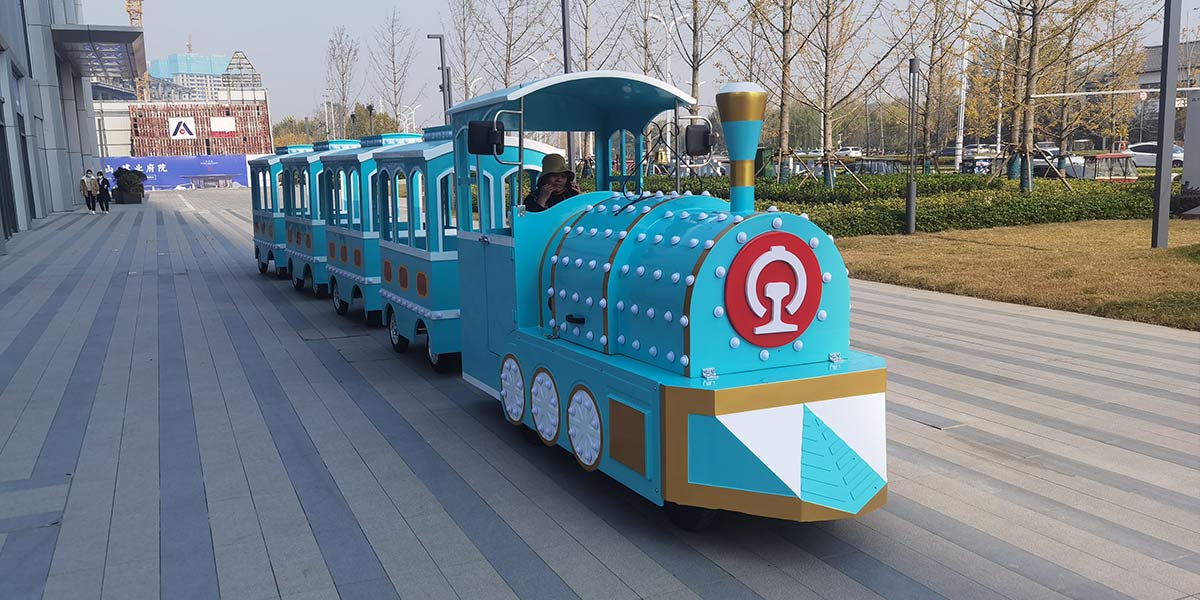
Power may not be the limiting factor at all.
Turning space may determine the maximum practical train size.
Check:
A compact sightseeing trackless train may provide better commercial performance than a larger train if it can operate more smoothly through the route.
Climate can change the specification.
For a venue exposed to frequent rain, high humidity or coastal air, discuss:
Do not assume a configuration used in a dry inland attraction will be ideal for a coastal project.
If many passengers are families with young children, evaluate:
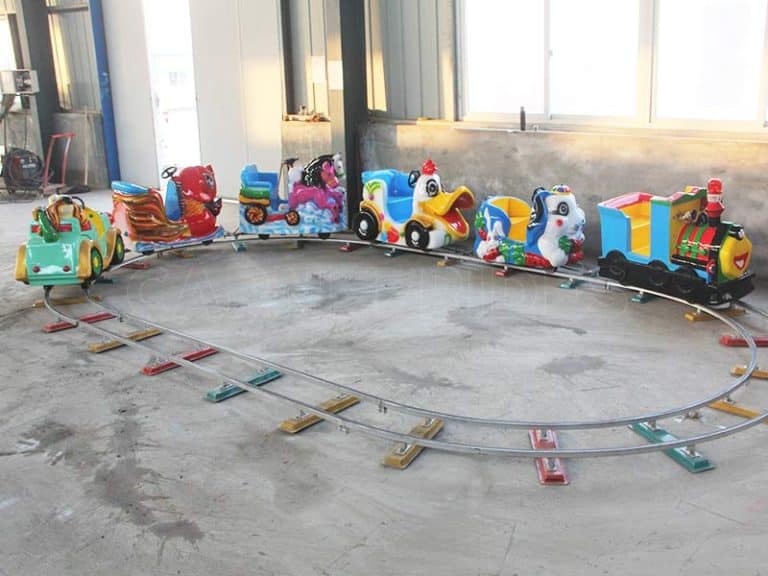
In some venues, a smaller family-oriented train or kiddie train ride can provide a better experience than a large transport-focused vehicle.
The practical rule is:
Copy ideas, not specifications.
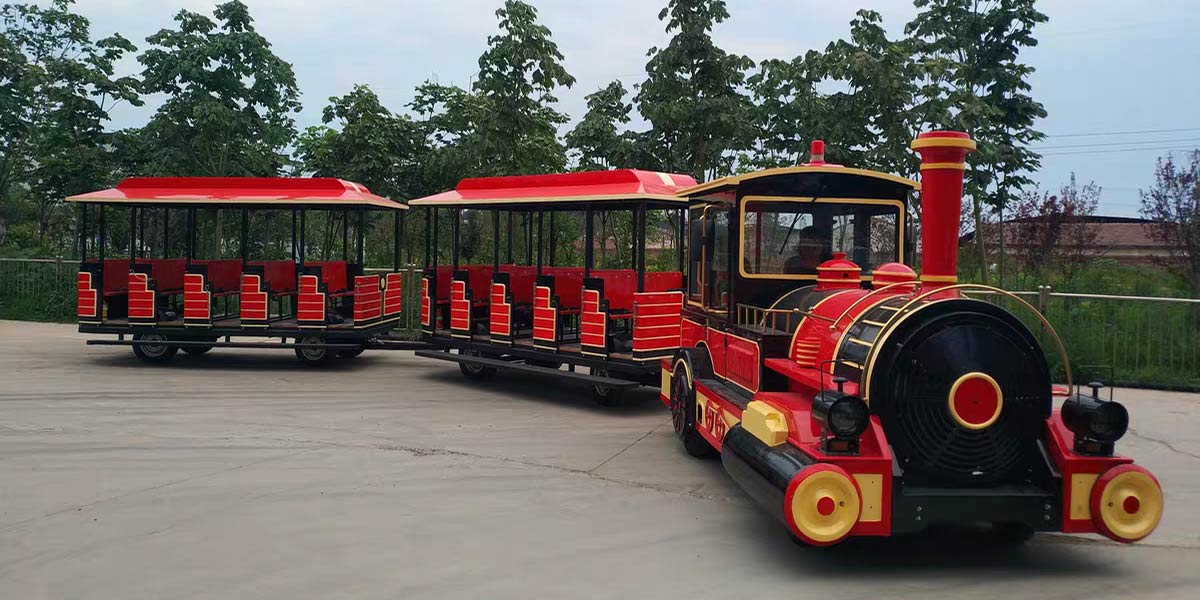
“28 seats” or “42 seats” sounds like a clear requirement.
But the attraction does not really need a specific number of seats.
It needs to move a certain number of visitors within a certain amount of time.
A useful first estimate is:
Hourly passenger throughput = seats per trip × trips per hour × expected occupancy
Suppose a larger train carries more passengers per trip.
It may also:
A smaller train may complete more frequent departures and reduce waiting time.
The correct answer depends on the venue.
Before choosing capacity, calculate:
Then instead of telling the manufacturer:
“Quote a 42-seat train.”
you can say:
“We need to move around 250 visitors per hour on a 1.5-kilometer route.”
That gives the manufacturer much more useful engineering information.
If you are comparing small, medium and large configurations, see our amusement park train types guide.
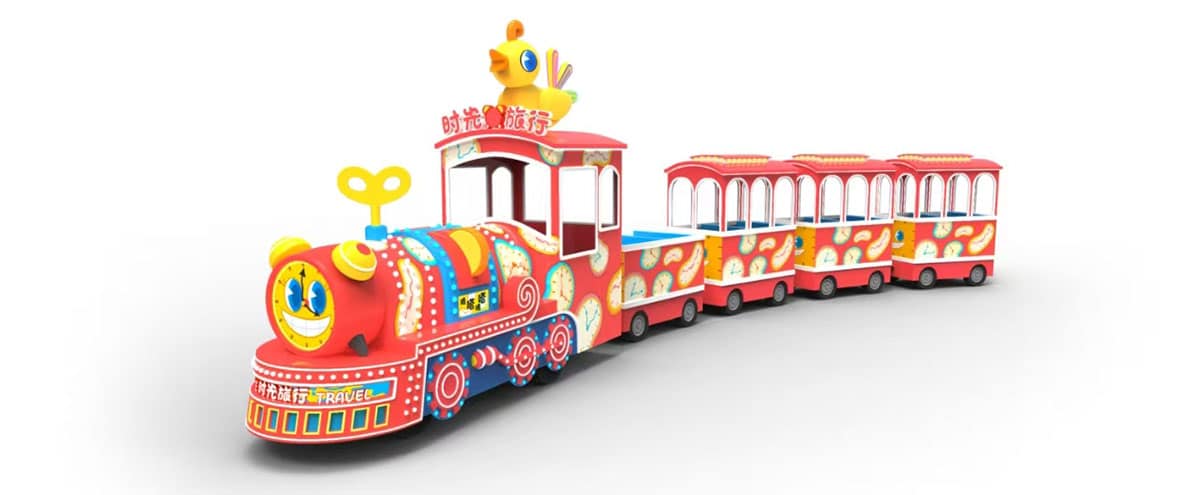
A sightseeing train is both transportation and part of the visitor experience.
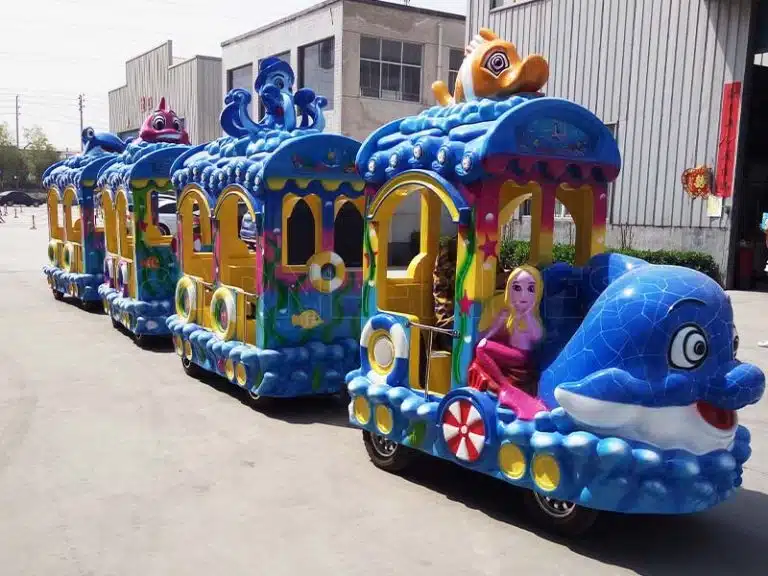
Good design matters.
An attractive amusement park train can support:
However, more complicated does not automatically mean more valuable.
Examples of features that require additional maintenance consideration include:
Before approving one of these features, ask three practical questions.
Can your normal maintenance team handle the system?
Or will every fault require a specialist?
Standard or well-documented components are generally easier to support than unidentified proprietary parts.
A decorative feature that can be temporarily disabled presents a different business risk from a component that prevents the vehicle from operating.
A distinctive train does not have to be mechanically complicated.
Useful customization can include:
Each feature should ideally improve at least one of the following:
If it provides none of those benefits, consider whether the additional maintenance is justified.
When comparing construction and component quality, our trackless train quality guide provides a more detailed technical checklist.
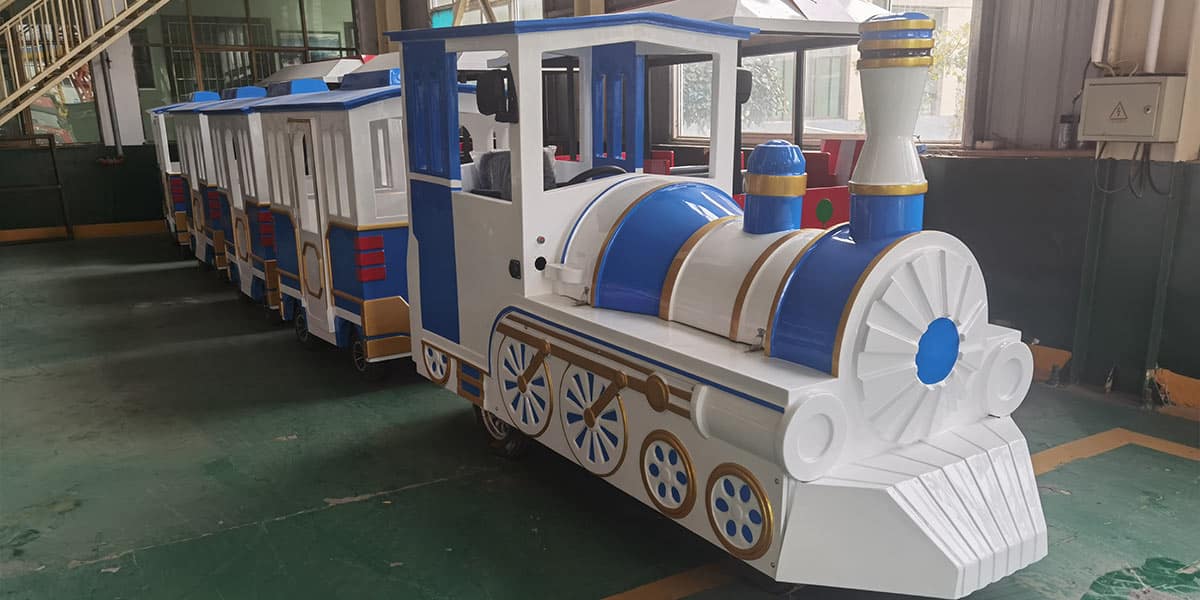
Once the correct configuration has been identified, the final question is:
Who should build it?
Choosing a trackless train manufacturer should involve more than comparing websites and product photos.
Before placing an order, understand:
The test should reflect the actual vehicle and project.
Depending on the model, it may include:
For unusual routes, ask the supplier how the test can represent the expected load and operating conditions.
A vehicle moving around the factory is not the same as proving that it can complete the intended commercial duty.
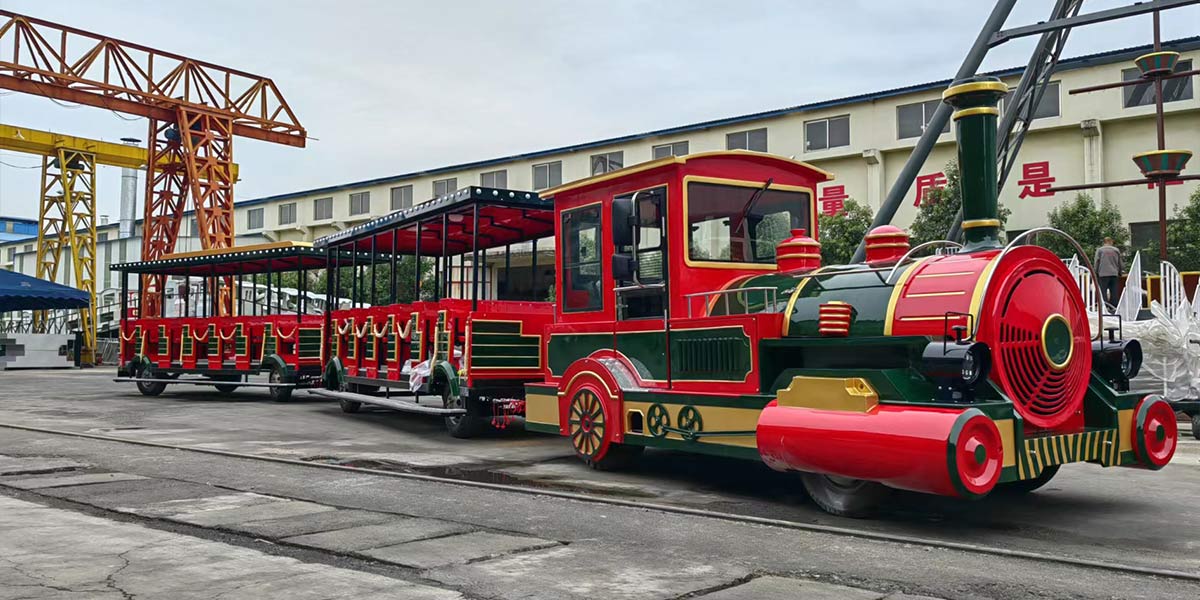
For an international project, a small failed part can create disproportionate downtime.
Ask which items make sense to include with the first shipment.
Depending on the train, examples might include:
This does not mean buying large quantities of spare inventory.
The objective is to keep inexpensive, frequently needed components available locally.
Before paying the deposit, confirm:
If you need a structured way to evaluate suppliers, see our guide to choosing a reliable trackless train manufacturer.
Buyers sourcing from China may also want to compare manufacturing backgrounds, product ranges and supplier positioning before requesting final quotations. Our guide to the best trackless train manufacturers in China provides a useful starting point for that research.

Tags :
Whatsapp : +86 13623710276
Email : [email protected]
Address : High-tech Industrial Development Zone, Zhengzhou