
what are you looking for?

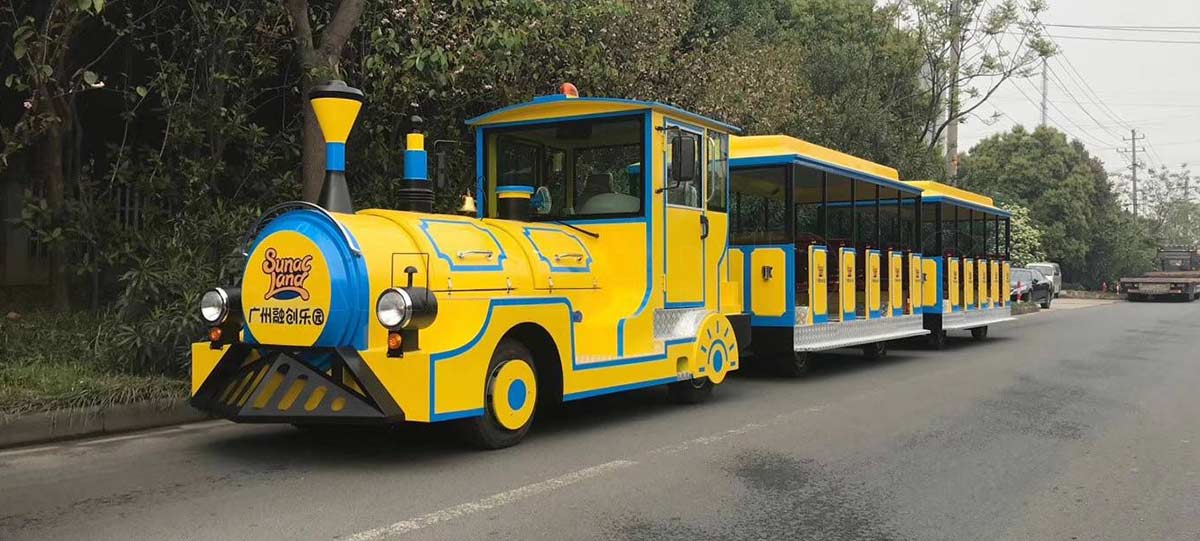
For scenic resorts, shopping malls, and theme parks, an electric trackless train is both a popular attraction and an important revenue-generating asset. However, its “heart” — the battery system — also represents a major long-term operating investment. In many cases, battery degradation is caused by improper daily use and poor maintenance habits. Premature battery failure not only increases operating costs, but also disrupts the visitor experience.
By implementing the strict trackless train battery maintenance protocols outlined in this guide, operators can effectively prevent permanent damage, maximize battery performance, and secure a higher return on investment.
To keep your battery system running efficiently, it’s essential to follow a set of practical daily electric train ride maintenance tips. These habits focus on how the train is operated on a daily basis — including charging timing, driving behavior, and load control — all of which directly impact battery performance and longevity.
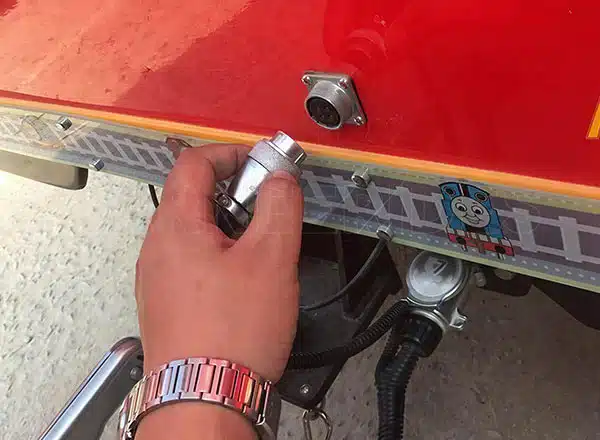
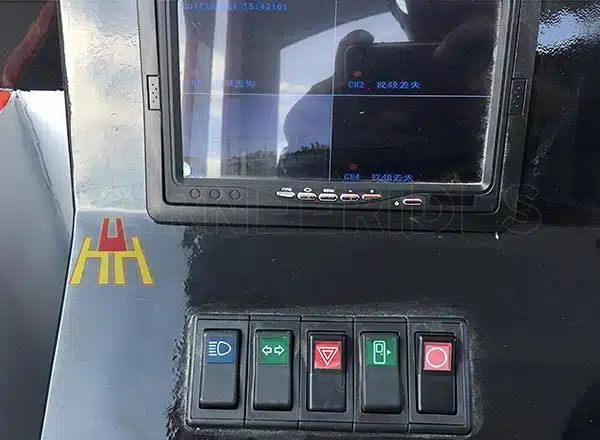
In-time charging: Always recharge the train ride when the battery level reaches 20% to 30%. Never allow it to fall below 10%, as this avoid deep discharge protocol prevents permanent capacity loss.
Avoid overcharging: Disconnect the power promptly once fully charged. While a smart charger may maintain a balancing “float charge” for 1 to 2 hours after turning green, prolonged charging over several days is strictly prohibited.
Avoid frequent short charging sessions or operating the train contrary to the manufacturer’s manual.
Maintain a smooth driving style. Avoid sudden acceleration (“flooring it”) or harsh braking to reduce massive high-current discharge shocks to the battery plates.
Avoid prolonged overload operations to prevent the battery from sustaining continuous high-load output, which leads to rapid overheating.
For standard overnight trackless train charging, an average of 8 to 10 hours is sufficient. Adhering to proper battery charging practices and ensuring correct charger use (matching the charger’s voltage and amperage exactly to your battery bank) are essential to prevent cell damage.
If the battery has a low depth of discharge (e.g., you only used 30% of the battery), the charging time should be shortened accordingly to prevent overcharging and subsequent capacity degradation.
Consistent adherence to these rules is the foundation of proper electric train battery care and directly maximizes your overall battery lifespan.
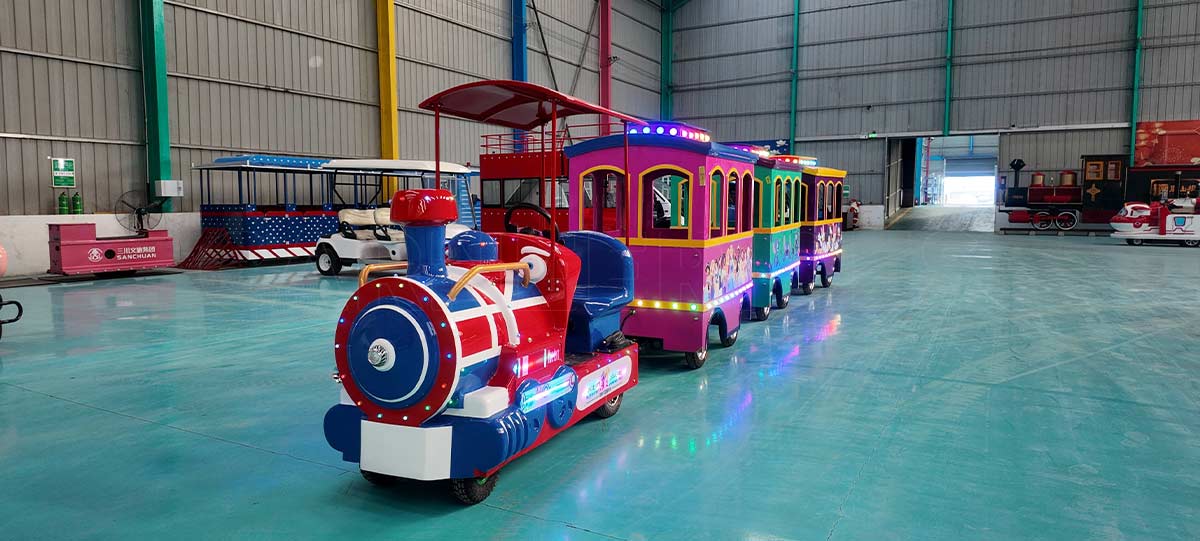
Batteries only deliver peak performance in suitable environments. Extreme temperatures and humidity are the primary culprits behind capacity drops.
Summer: Avoid charging immediately after the train has been exposed to the hot sun. It is highly recommended to perform battery temperature management by charging in a shaded area or during the cooler evening hours.
Winter: Low temperatures (<-10°C) significantly reduce battery chemical activity. Always charge indoors or in a warm environment during winter. As a rule of thumb, battery capacity decreases by approximately 1% for every 1°C drop below standard operating temperatures.
Keep the charging area clean, well-ventilated, and strictly utilize dry storage practices.
Avoid high temperatures, direct sunlight, or excessively humid environments to prevent water vapor from causing electrical shorts. A ventilated environment is critical to dissipate heat and ensure complete trackless train battery safety and prevent short circuit risks.
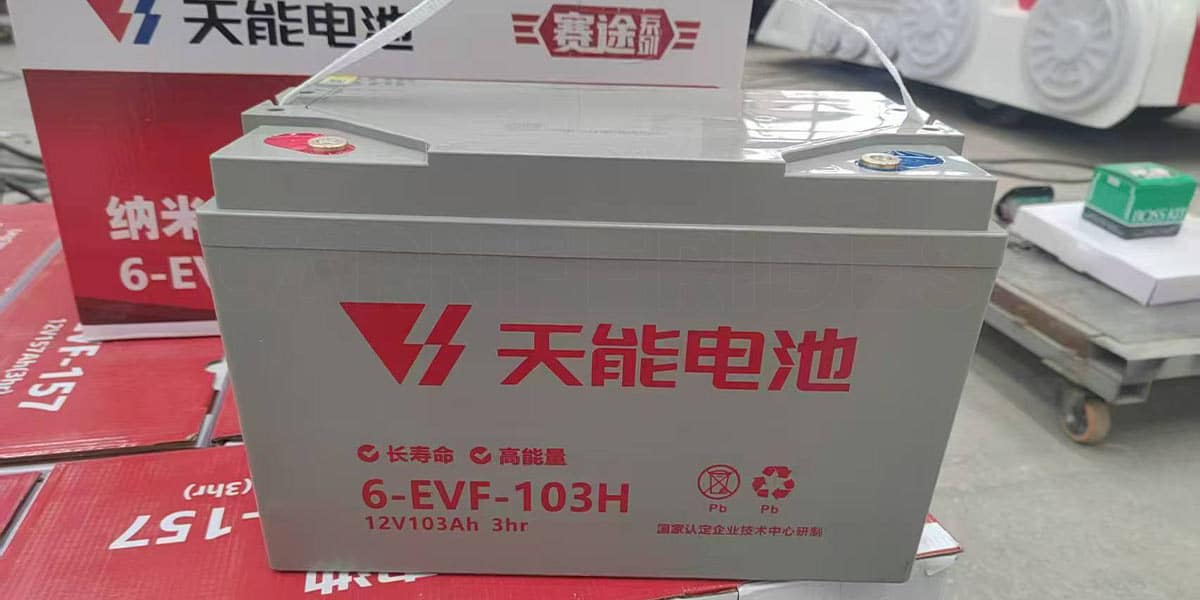
Regular inspection and preventive maintenance play a critical role in identifying hidden battery issues before they escalate. By implementing a structured inspection routine, operators can detect early signs such as voltage imbalance, loose connections, or corrosion, ensuring stable operation and reducing the risk of unexpected downtime.
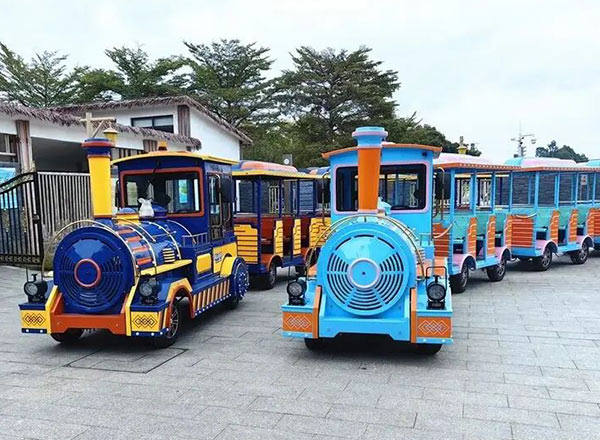
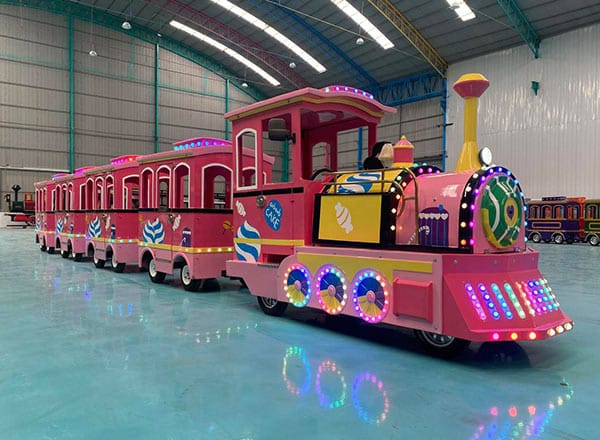
Regularly inspect the battery box for bulging, severe deformation, or acid leaks. Learning to identify these early signs of battery failure is one of the top maintenance best practices for amusement park operators.
Check the terminals for corrosion, white powdery buildup, or looseness. Address any abnormalities immediately.
Use a dry, clean cloth to wipe the battery surface, removing dust and dirt.
As part of your battery terminal care and corrosion prevention routine, inspect and tighten the connecting terminal bolts every quarter (or as specified by the manufacturer) to ensure optimal electrical contact and prevent resistance buildup.
Depending on your battery chemistry, cell balancing is required to maintain uniform voltage and prevent premature degradation:
For Lithium Batteries (LiFePO4): Perform a complete battery balancing charge every 2 to 3 months. This allows the Battery Management System (BMS) to align the voltage of all individual cells, maintaining optimal capacity.
For Lead-Acid Batteries: To prevent acid stratification and reverse mild sulfation, lead-acid batteries require an “equalization charge.” Always allow your smart charger to complete its full cycle (including the green-light float stage). Every 2 to 3 months, or if you notice a drop in range, run a dedicated equalization charge cycle as specified by your battery manufacturer.
Pro Tip for Maintenance Teams: To ensure your staff follows these steps consistently, we highly recommend creating a daily trackless train battery maintenance checklist. You can easily copy the SOPs from this article, save them as a trackless train battery maintenance PDF, and print it out to hang in your charging station or equipment room. For a complete approach to your vehicle’s health, be sure to integrate this daily battery routine into your broader amusement park train maintenance SOP.
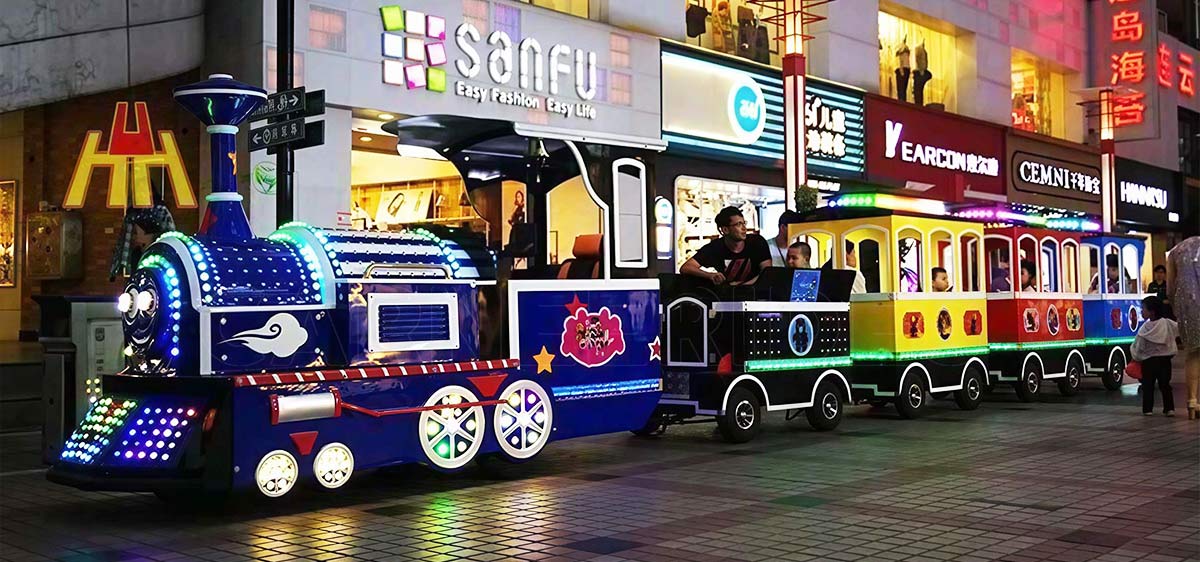
If the electric sightseeing trains are parked for an extended period, improper handling will lead to a permanent reduction in capacity.
When the electric amusement train is out of service for more than 1 month, charge the batteries to 50%-60% before placing them in battery storage.
Perform inactive period maintenance by topping up the charge every 1 to 2 months to prevent damage from phantom power drain.
It is strictly forbidden to store batteries in a depleted state. Doing so will inevitably cause severe crystallization on the plates, so you must charge them to prevent sulfation in lead-acid models. Proper battery care during the off-season is non-negotiable.
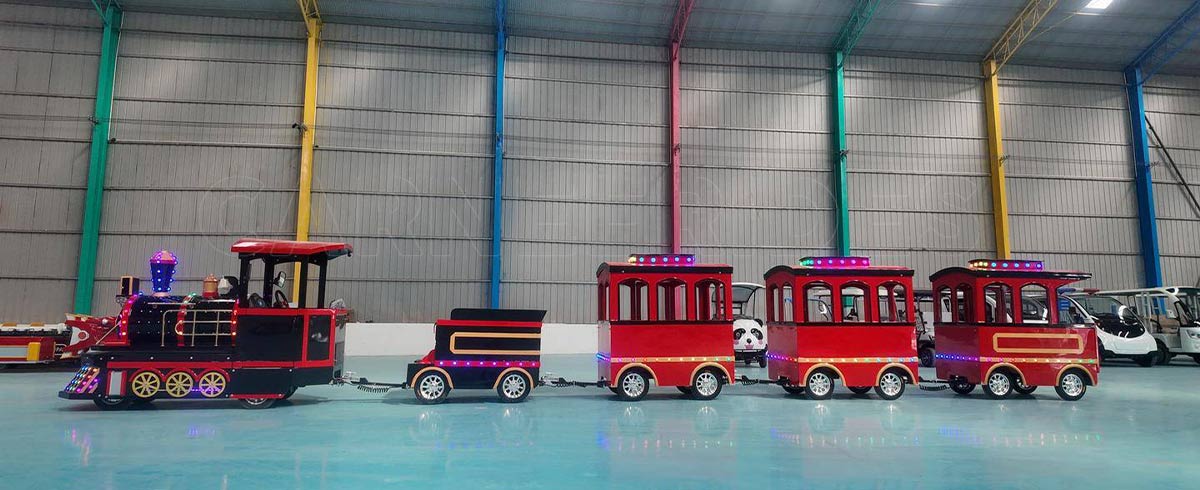
Never mix different brands, models, or old and new batteries. They must be used as a perfectly matched set.
The charger must exactly match the battery specifications. Using an incompatible charger will destroy the battery bank.
Battery installation must be upright, anti-vibration, and waterproof. Ensure the battery box ventilation holes (at least 8mm) are completely unobstructed to allow explosive gases to escape.
For flooded lead-acid batteries, regularly check the electrolyte levels. If the liquid drops below the plates, add pure distilled water only at the end of a charging cycle. Never use tap water.
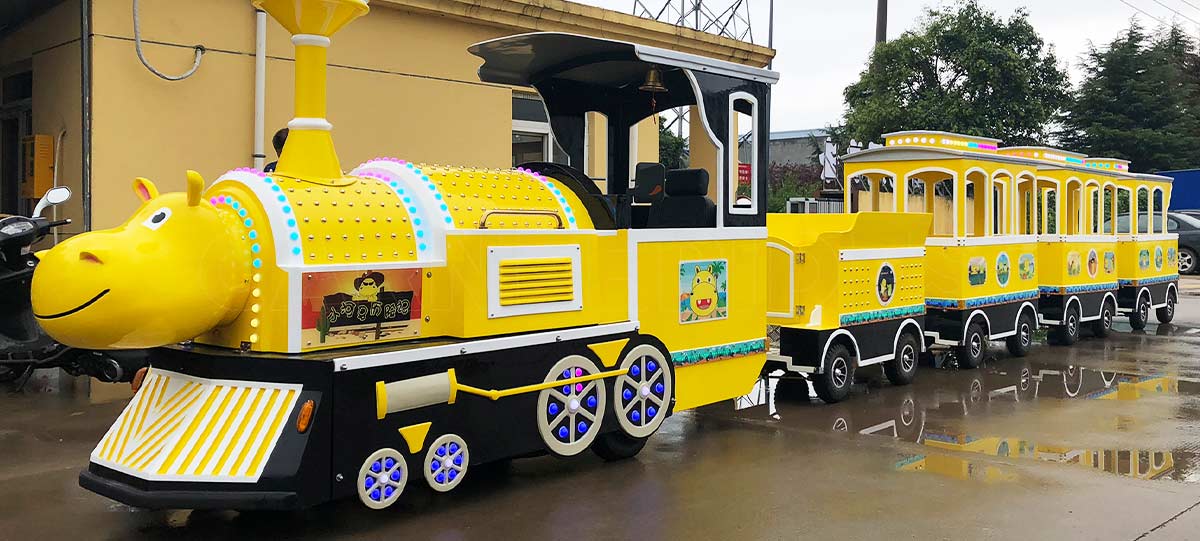
Adhering to these battery maintenance practices ensures reliable electric trackless train battery performance and improved battery safety.
The secret to maximizing your investment can be summarized in one core formula: Correct Operation + Environmental Management + Regular Inspection = Extended Battery Lifespan.
Relying on a reputable trackless train supplier with professional support ensures full-lifecycle maintenance and significantly reduces your daily operational risks. By establishing a scientific SOP workflow, park operators can ensure their batteries run efficiently, stably, and safely, thereby guaranteeing smooth trackless train operations and a lucrative return on investment.
Ready to upgrade your fleet or need professional support?
As one of the world’s leading amusement park train manufacturers, Carnee Rides provides advanced, maintenance-free electric trains and expert after-sales service. Contact us today for customized support.
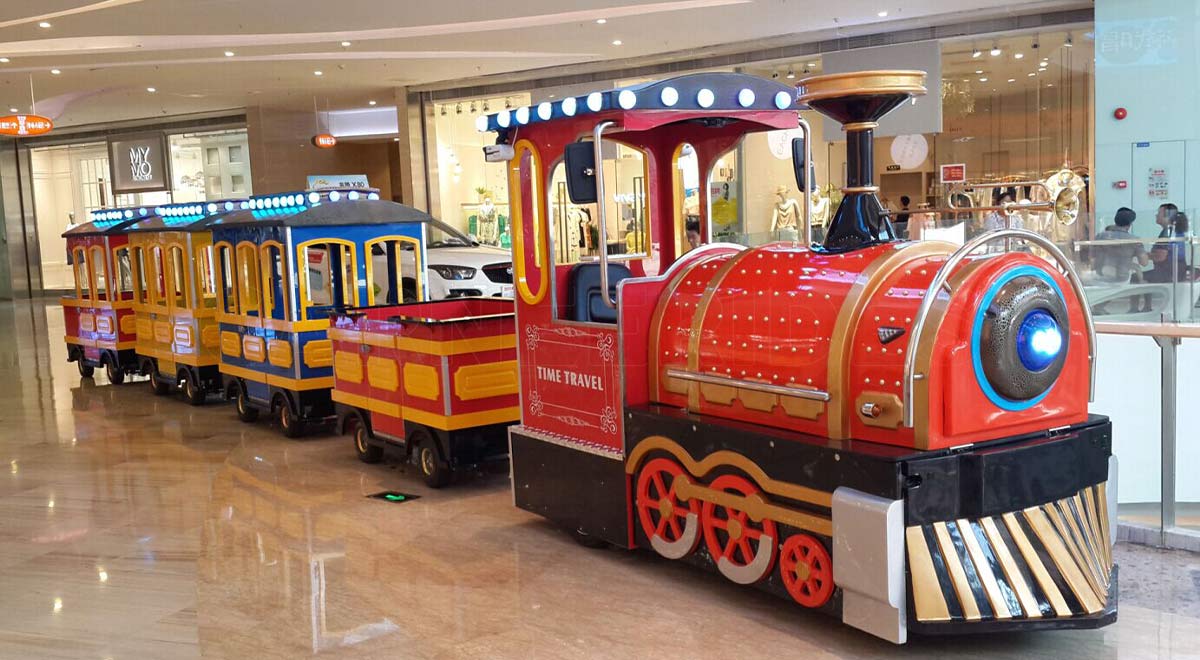
A commercial trackless train battery typically lasts between 2 to 3 years, depending on the battery type (lead-acid vs. lithium-ion), daily usage frequency, and charging habits. By strictly following a trackless train battery maintenance checklist—such as preventing deep discharges and avoiding extreme temperature exposure—park operators can often extend this lifespan up to 5 years. To learn exactly how to maximize your ROI, check out our comprehensive trackless train battery lifespan guide.
The 20/80 battery rule is a golden standard for battery health. It means you should never let the battery drop below a 20% charge, and ideally, avoid keeping it constantly plugged in at 100% for days (though smart chargers manage this better now). For amusement trains, the strict rule is to plug the ride in immediately when it hits the 20% red line to prevent irreversible capacity loss from deep discharging.
Batteries in trackless trains drain quickly primarily due to continuous overloading or frequent sudden acceleration (which draws massive, unsustainable current). Additionally, environmental factors like freezing winter temperatures significantly reduce battery activity. If the battery is older, fast draining usually indicates internal sulfation or terminal corrosion, meaning the battery struggles to hold a charge and may need replacement.
Yes. Using a smart traction battery maintainer (or a high-quality smart charger) is highly recommended. It automatically manages the charging phases, provides the necessary float charge to balance the cells, and prevents dangerous overcharging, ensuring your electric tourist train operates safely and efficiently.
https://www.carneetrains.com/trackless-train-battery-lifespan/If the battery capacity is above 60% of its original rating but showing signs of terminal corrosion or fluid loss, maintenance can often restore performance. However, if the capacity has permanently dropped below 60% or the casing is bulging, replacement is necessary. For more details on the financial and technical trade-offs, explore our guide on electric sightseeing train battery maintenance vs replacement.
For broader operational or purchasing questions beyond just battery care, we highly recommend checking out our complete trackless train FAQ guide.

Whatsapp : +86 13623710276
Email : [email protected]
Address : High-tech Industrial Development Zone, Zhengzhou


WhatsApp us

