
what are you looking for?

A commercial trackless train usually costs between US$8,000 and US$74,000+ at factory reference price, depending on passenger capacity, power system, carriage quantity, battery configuration, body design, customization level and shipping destination.
Small kids trackless trains for shopping malls and family entertainment centers may start from about US$8,000–16,000, while 24–28 seat electric trackless trains are commonly around US$22,000–29,000. Larger 42-seat, 58-seat and 72-seat sightseeing trackless trains for theme parks, zoos, resorts and scenic areas can range from about US$39,000 to US$74,000+.
If you are comparing different amusement train options, you may also want to read our guide on amusement park train types before choosing a model. The right train is not always the cheapest one. It should match your route, passenger flow, operating environment, safety requirements and long-term return on investment.
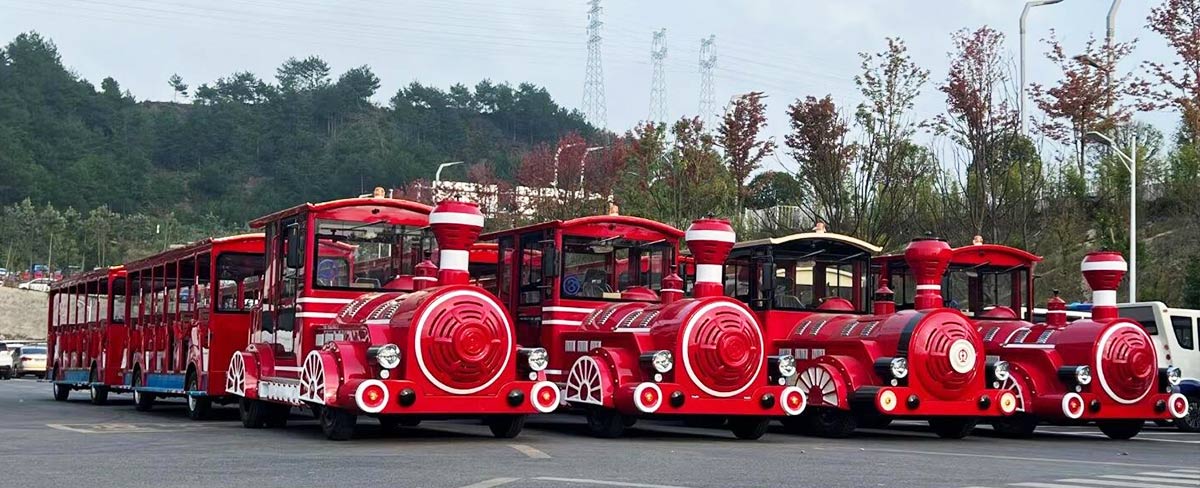
For most commercial buyers, the price of a trackless train can be divided into several main ranges based on capacity, power type and application.
| Train Type | Typical Capacity | Common Application | Factory Reference Price |
|---|---|---|---|
| Mini track train | 12–14 passengers | Indoor playgrounds, kids areas, small family entertainment centers | US$3,900–4,800 |
| Kids mini trackless train | 13–19 passengers | Shopping malls, children’s parks, party events, FECs | US$8,200–15,900 |
| 14–16 seat themed trackless train | 14–16 passengers | Malls, carnivals, parks, themed kids zones | US$9,500–17,800 |
| 24–28 seat electric trackless train | 24–28 passengers | Small parks, plazas, resorts, outdoor commercial areas | US$22,000–23,000 |
| 24–28 seat diesel trackless train | 24–28 passengers | Outdoor routes, tourist roads, parks with longer operation time | US$26,000–28,900 |
| 42 seat trackless train | 42 passengers | Medium amusement parks, zoos, scenic attractions | US$39,000–45,000 |
| 58 seat trackless train ride | 58 passengers | Large parks, resorts, sightseeing routes | US$48,900–61,000 |
| 72 seat large trackless train | 72 passengers | Large theme parks, scenic areas, tourist resorts | US$64,000–74,000 |
| Rail train system | 16–122 passengers | Fixed scenic routes, forest parks, large theme parks | US$12,200–162,300+ |
These prices are factory reference prices. The final quotation may change according to model design, electric or diesel drive system, battery type, carriage quantity, passenger capacity, lighting system, destination port, sea freight, import duty, installation requirements and exchange rate.
A standard trackless train amusement ride quotation usually includes the locomotive, passenger carriages, electric or diesel drive system, basic lighting, control system, wheels, safety chains or doors, seats, decorative body panels and standard painting.
For electric trackless trains, the quotation normally includes the motor, controller, charger and lead-acid battery or customized battery configuration. For diesel models, the cost usually includes the engine system, fuel system and related mechanical drive components.
However, buyers should understand that the factory price does not always include international shipping, import tax, customs clearance, local delivery, site preparation or installation service. For overseas projects, the real project budget should be calculated as a landed cost, not only as a factory unit price.
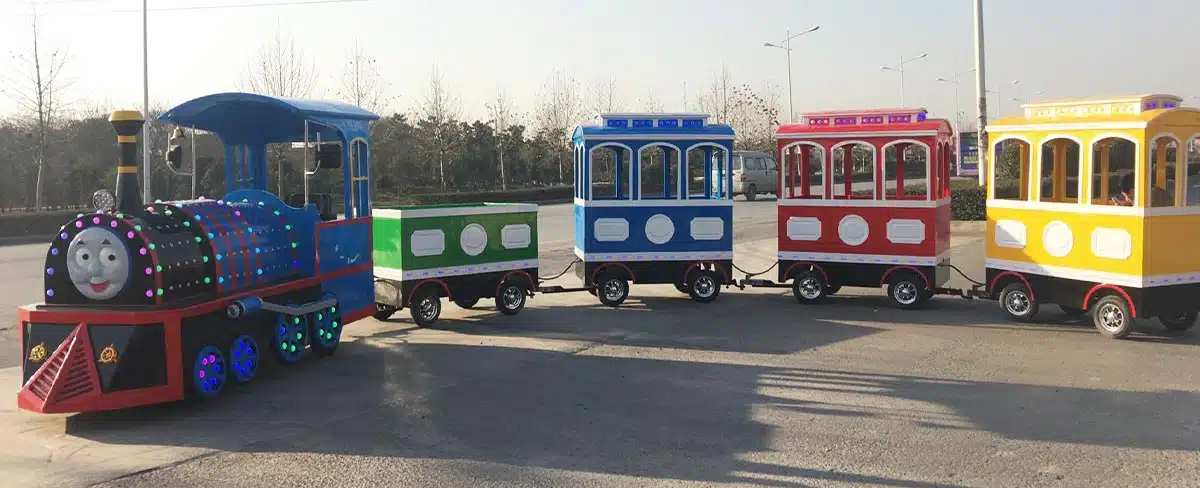
Small trackless kiddie trains are popular for shopping malls, family entertainment centers, children’s parks, birthday party venues and small commercial plazas. These models usually carry around 13 to 19 passengers and are designed with cartoon bodies, bright colors, music, LED lights and compact turning radius.
The common factory price range is about US$8,200–15,900, depending on the train style, number of carriages, battery system and theme decoration.
This type of kiddie train ride is suitable when your project needs:
For shopping malls, a small electric trackless train is often easier to operate than a larger tourist train because it does not need a fixed rail system. It can move through commercial corridors, atriums or designated circulation routes.
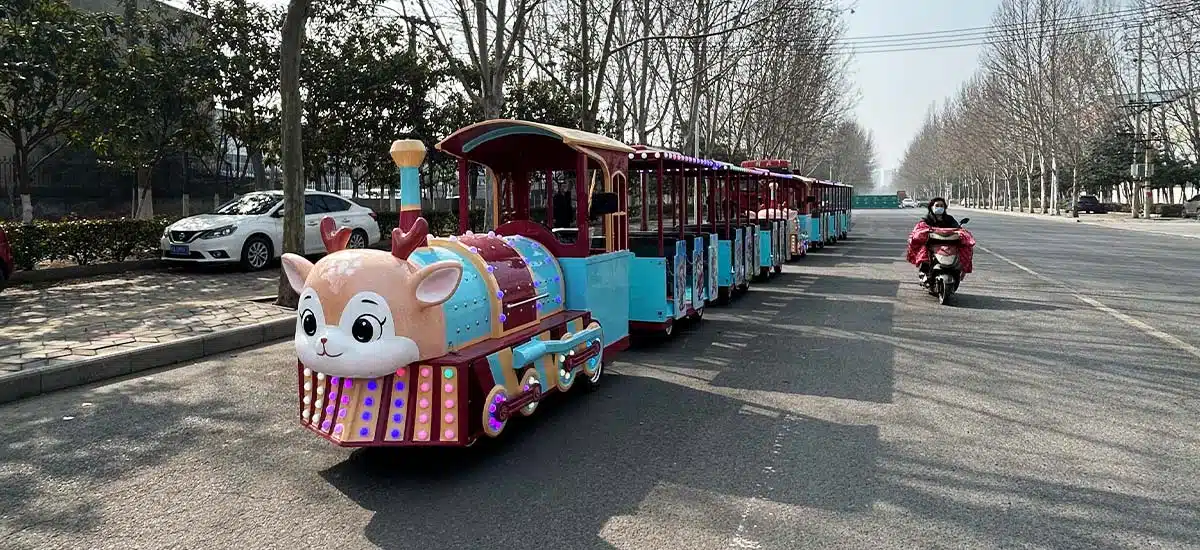
A 24–28 seat trackless train is a practical choice for small amusement parks, resorts, outdoor plazas, city parks, campsites and tourist villages. Compared with kids mini trains, these models have stronger carrying capacity and a more commercial appearance.
A 24-seat electric trackless train usually costs around US$23,000, while a 28-seat electric trackless train is commonly around US$22,000 depending on design and configuration. Diesel versions are usually higher, around US$26,000–28,900.
This capacity range is suitable for operators who want a balance between investment cost and passenger turnover. It is often used for short-distance transport, sightseeing, parent-child entertainment and low-speed park circulation.
Choose this type if your route is not too long, the road is relatively flat and your daily passenger flow is medium. For buyers who are not sure whether a trackless model or rail model is better, our article Trackless Train vs. Track Train: Which Is Better for Your Park? explains the difference in route flexibility, installation cost and long-term operation.
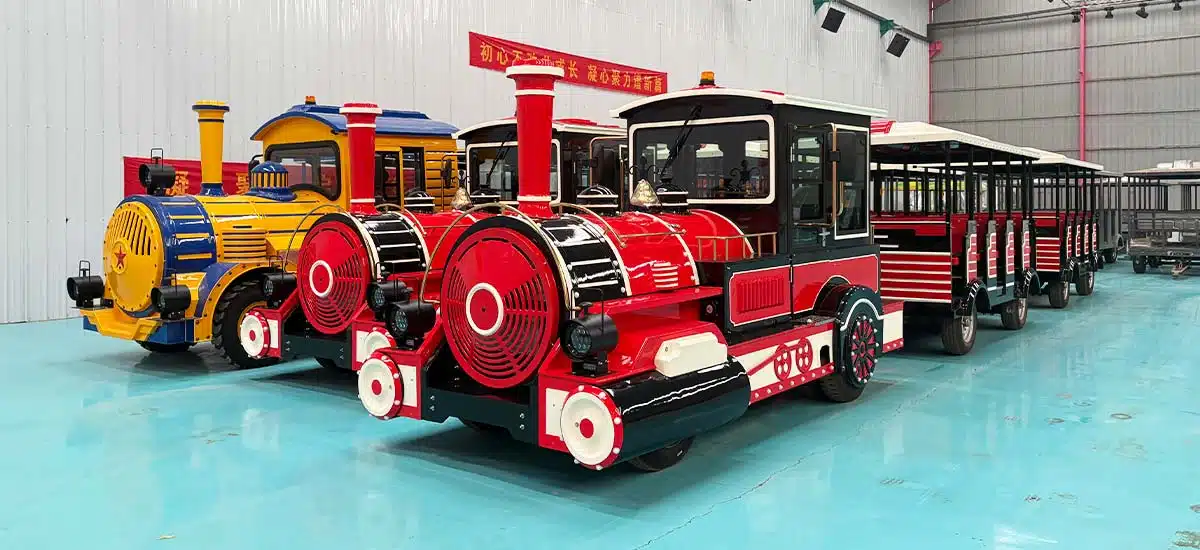
Large trackless trains are designed for higher passenger flow and longer sightseeing routes. They are commonly used in zoos, botanical gardens, theme parks, scenic resorts, forest parks, large outdoor attractions and tourist road train projects.
A 42-seat trackless train is usually around US$39,000–45,000. A 58-seat model commonly ranges from US$48,900 to US$61,000. A 72-seat electric or diesel trackless train may range from about US$64,000 to US$74,000+, depending on power type, carriage size, slope requirement and overall configuration.
This type of large trackless train is usually selected when the project needs:
For commercial sightseeing projects, capacity is one of the most important cost factors. A larger train is more expensive at the beginning, but it can carry more visitors per trip. If your park has strong weekend or holiday traffic, a higher-capacity tourist train may produce better long-term returns than several smaller models.
You can also read our application guide: Where Can You Use a Commercial Trackless Train? It explains how trackless trains are used in parks, resorts, malls, zoos, tourist areas and commercial venues.
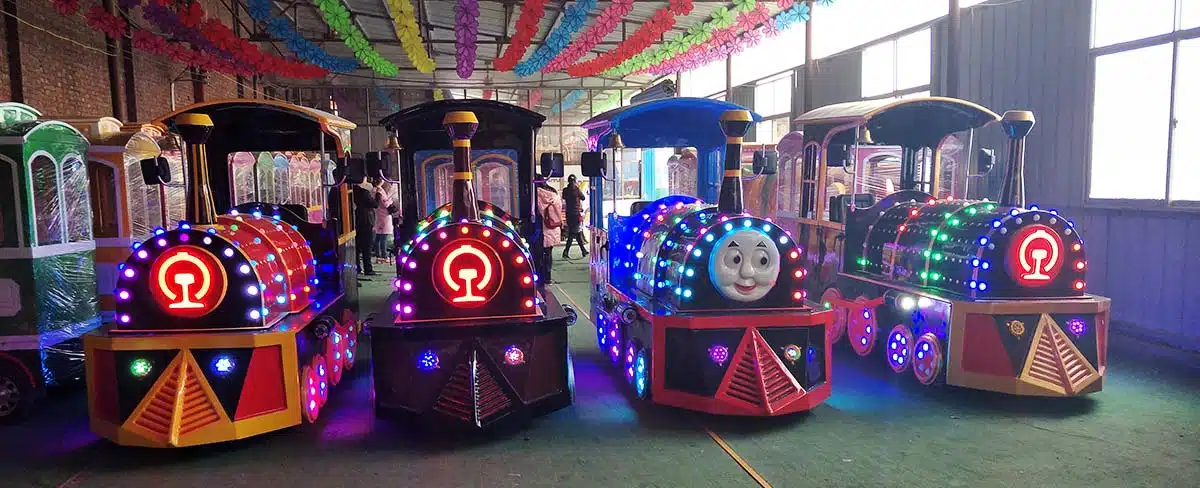
In most common configurations, a diesel trackless train usually costs more than an electric trackless train with a similar passenger capacity. The higher price often comes from the diesel engine system, fuel system, transmission structure, stronger power output and better adaptability for long outdoor routes.
However, buyers should not choose only by price. Electric and diesel trackless trains are designed for different operating environments, so the better option depends on where and how the train will be used.
An electric trackless train is usually more suitable for shopping malls, resorts, zoos, family attractions, urban parks and semi-indoor venues. It is quieter, cleaner and easier to maintain for low-speed commercial operation. For malls and family entertainment projects, electric models are often preferred because they do not produce local exhaust emissions and can provide a more comfortable visitor experience.
A diesel trackless train is more suitable for long outdoor routes, large tourist attractions, scenic areas, resorts and locations where charging conditions are limited. If the route is longer, the road slope is higher, or the train needs to run for long hours outdoors, a diesel model may provide better power and route adaptability.
Here is a simple price comparison based on common commercial configurations:
| Capacity | Electric Reference Price | Diesel Reference Price | Common Use |
|---|---|---|---|
| 24 seats | Around US$23,000 | Around US$26,000 | Small parks, plazas, commercial routes |
| 28 seats | Around US$22,000 | Around US$28,900 | Outdoor parks, resorts, short tourist routes |
| 42 seats | Around US$39,000 | Around US$45,000 | Medium scenic areas and amusement parks |
| 58 seats | Around US$48,900 | Around US$54,800–61,000 | Large parks and resorts |
| 72 seats | Around US$68,000 | Around US$64,000–74,000 | Large tourist routes and theme parks |
For larger 72-seat models, the price may vary more widely because diesel and electric configurations can be customized differently. In real purchasing decisions, buyers should compare not only the train price, but also route length, operating hours, charging conditions, road slope, passenger flow and long-term maintenance cost.
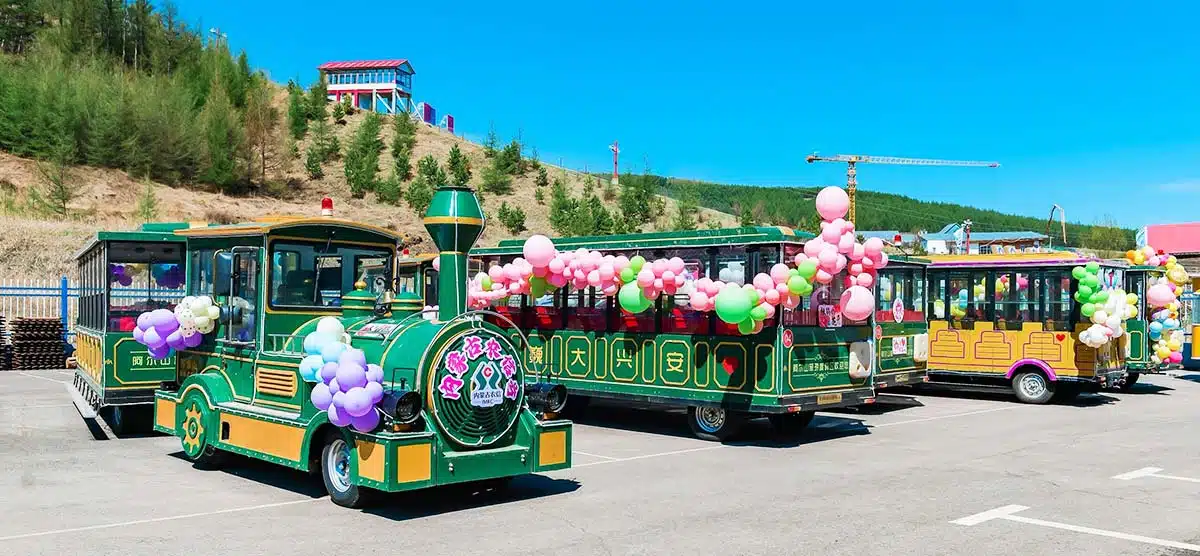
For an electric trackless sightseeing train, the battery system is one of the biggest factors affecting the final price. Most standard electric trackless trains use lead-acid batteries because they are cost-effective, stable and easy to replace. In normal configurations, lead-acid batteries usually need about 6–8 hours for a full charge and can support around one working shift of operation, depending on passenger load, route length, road slope and daily operating conditions.
Lithium batteries are usually more expensive than lead-acid batteries, but they can offer faster charging, lighter weight, longer cycle life and better performance for high-frequency commercial operation. For shopping malls, resorts, zoos and tourist attractions that need longer daily operating time, a lithium battery configuration may increase the initial purchase cost but can reduce downtime and improve operating efficiency.
Therefore, when comparing electric trackless train prices, buyers should not only check the number of seats and carriages. It is also important to compare battery type, battery capacity, charging time, running time, charger quality and replacement cost. A lower-priced electric trackless train may use a smaller battery system, while a higher-priced model may provide longer operating time and better long-term value.
The better option depends on route length, operating hours, charging conditions, road slope, passenger flow and maintenance resources. If you already plan to buy an electric trackless train, battery maintenance is also important. You can read our guide on trackless train battery lifespan and our step-by-step guide on how to charge a trackless train battery before making a decision.
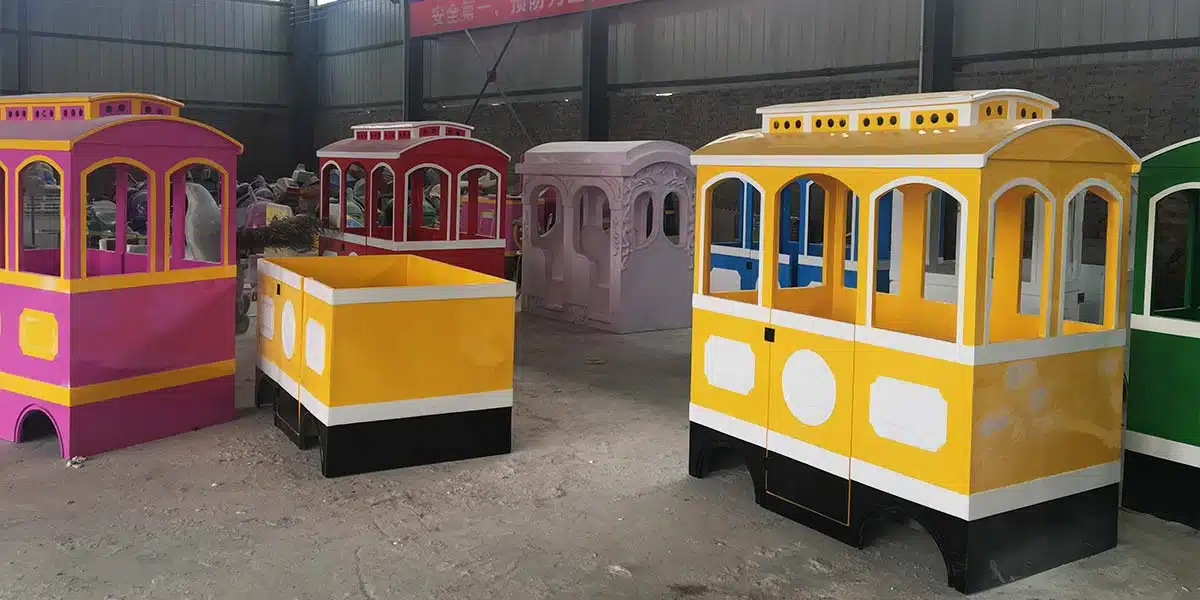
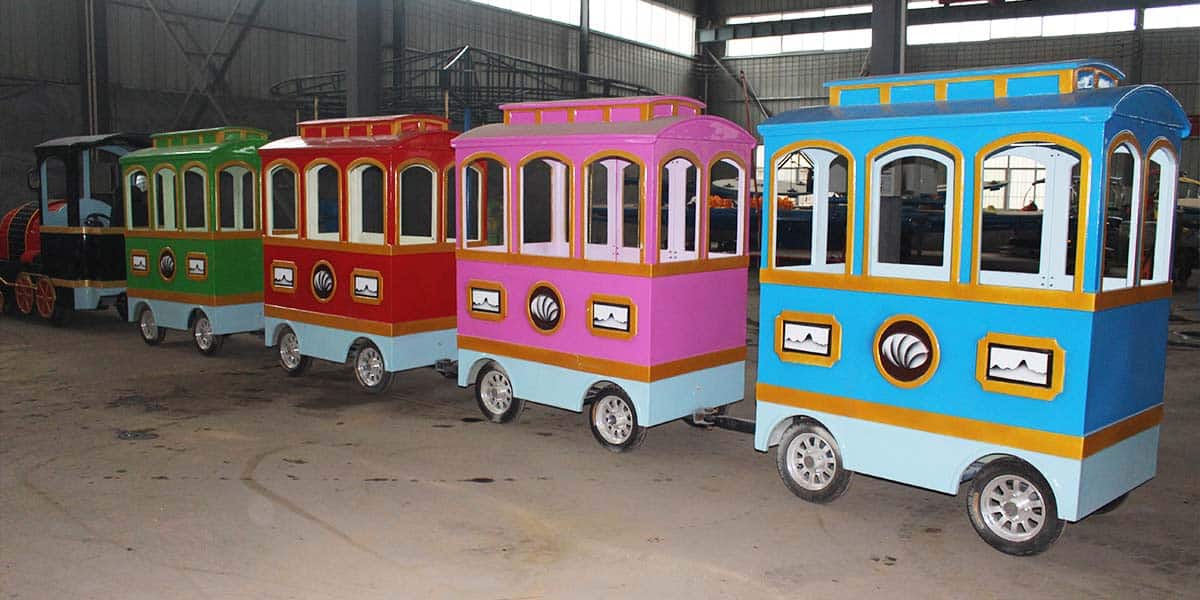
Passenger capacity has a direct impact on train price. A 13-seat kids mini train and a 72-seat tourist train are completely different in body size, frame structure, motor power, battery capacity, braking system and carriage design.
If your site has low visitor flow, a small kids trackless train may be enough. If your project is a large theme park, zoo or resort, a 42-seat, 58-seat or 72-seat sightseeing train may be more suitable.
Electric models usually have lower noise and cleaner operation. Diesel models often provide stronger outdoor adaptability. The final cost depends on motor power, engine power, battery capacity, control system and route conditions.
For indoor venues, an electric trackless train is usually the better choice. For long outdoor sightseeing routes, diesel or higher-power electric configurations may be considered.
For electric trackless trains, battery type and capacity affect both price and daily operation. A larger battery can support longer operation time, but it also increases cost. Charging time, battery maintenance, replacement cycle and local charging conditions should all be considered.
If your train will operate for long hours every day, battery quality should not be reduced only to save initial cost. Poor battery performance can lead to shorter operating time, unstable service and higher maintenance cost later.
More carriages mean more seats, longer train length, stronger traction requirements and larger turning radius. A train with one locomotive and two carriages is usually cheaper and easier to operate than a train with three or four carriages.
Before choosing carriage quantity, check your available route width, turning space, passenger volume and loading area.
Many buyers want a custom trackless train design for theme parks, zoos, resorts or commercial events. Custom body colors, cartoon shapes, animal themes, brand logos, lighting effects, music systems and decorative panels will increase the final cost.
For example, a dinosaur theme train, flamingo theme train, ocean theme train or Christmas train may need additional FRP decoration, painting work and lighting design.
Commercial trackless trains should include reliable braking, safe speed control, stable steering, anti-slip steps, passenger doors or chains, warning lights, clear operation signs and emergency procedures.
Safety configuration is not the best place to reduce cost. A cheaper train with weak braking, poor welding or unstable control system may create higher risks during long-term operation.
For daily management, our trackless train safety and operation guide for kids amusement trains can help operators build a safer routine.
International buyers should pay attention to shipping volume, container loading, destination port, customs clearance and import duties. A larger train may require more container space, which increases logistics cost.
For accurate project budgeting, you should calculate both factory price and landed cost.
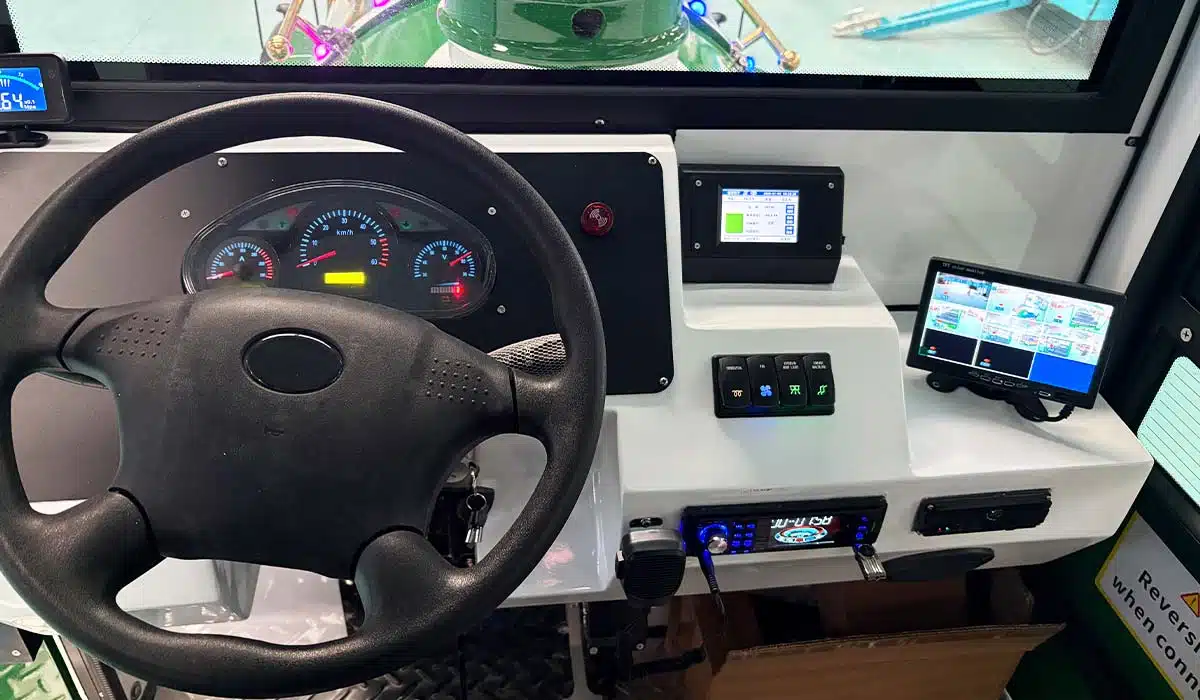
Usually, the listed factory price does not include shipping. For international orders, buyers should also consider:
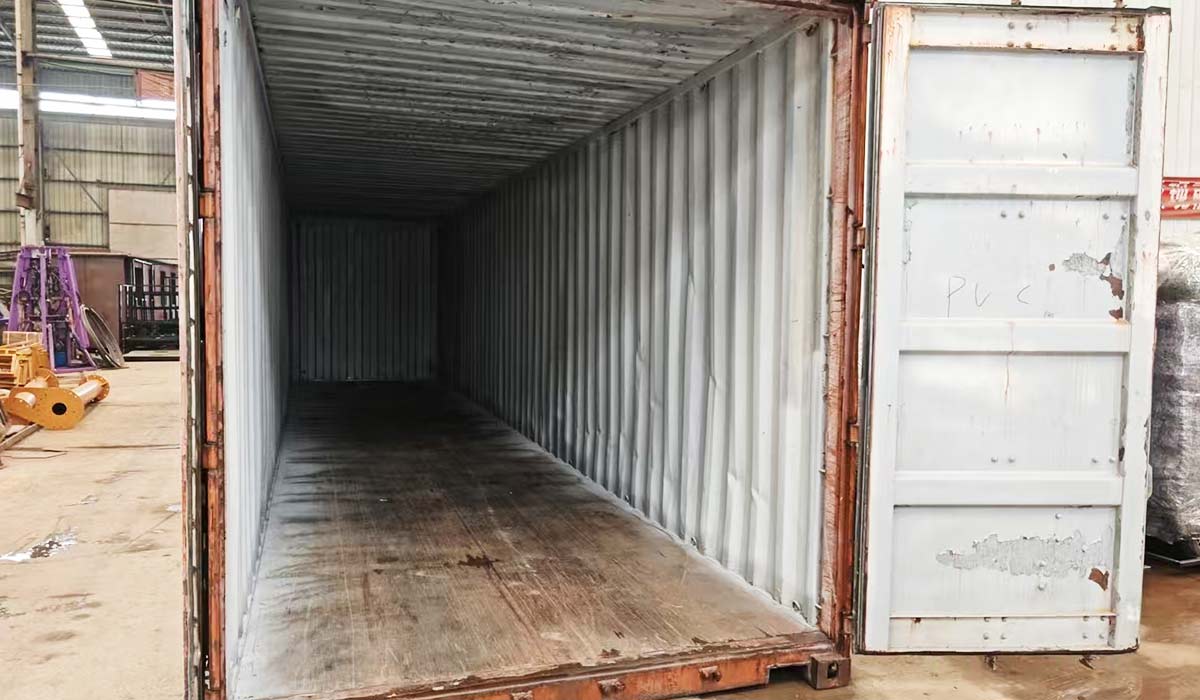
The same trackless train may have different landed costs in the United States, Europe, the Middle East, Southeast Asia or South America because freight and import tax are different.
If you want a more accurate quotation, prepare your destination port, required capacity, application site, preferred power type and route information. This allows the manufacturer to estimate both the train cost and shipping cost more accurately.
Container loading is an important factor when estimating the total landed cost of a trackless train. In many common shipping plans, a 16-seat trackless train can usually be loaded into one small container, while 24-seat, 28-seat and 42-seat trackless trains usually require one large container. For larger models, such as 58-seat and 72-seat trackless trains, the shipment often requires one large container plus one small container.
Because container space directly affects sea freight, buyers should consider the train capacity, carriage quantity and packing volume before confirming the final model. If you are comparing different capacities, ask the manufacturer to provide a recommended container loading plan together with the quotation. This can help you estimate shipping cost more accurately and avoid unnecessary freight expenses.
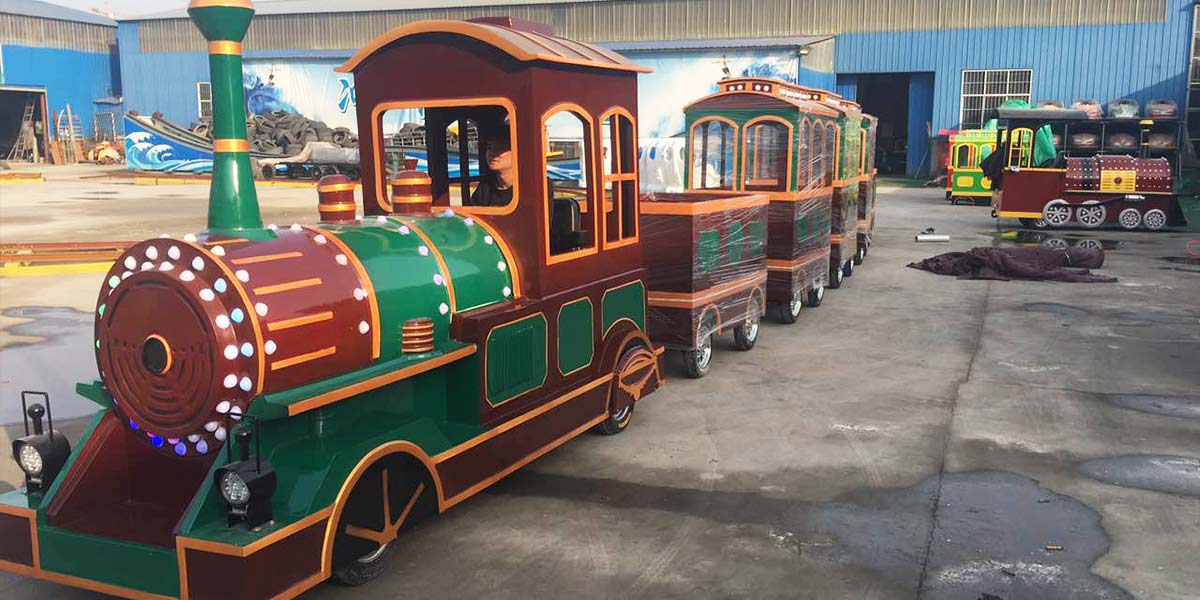
The best trackless train is not always the largest one. It should match your business model and operating environment.
| Project Type | Recommended Train | Suggested Budget |
| Indoor mall or FEC | 13–16 seat kids mini trackless train | US$8,000–16,000 |
| Outdoor plaza or carnival | 16–28 seat trackless train | US$11,000–29,000 |
| Small park or resort | 24–42 seat electric trackless train | US$22,000–45,000 |
| Zoo or scenic area | 42–58 seat sightseeing train | US$39,000–61,000 |
| Large tourist route | 58–72 seat tourist trackless train | US$49,000–74,000+ |
| Fixed park route | Rail train system | US$12,000–162,000+ |
For a shopping mall, compact electric models are usually more practical. For a zoo or resort, a larger sightseeing trackless train can improve visitor movement and increase the overall experience. For a large forest park or fixed scenic route, a rail train may be worth considering even though the infrastructure cost is higher.
If you are still comparing models, our article What Is an Amusement Park Train? gives a basic overview of definitions, functions and application scenarios.
To get a useful quotation, do not only ask “How much is a trackless train?” A professional supplier will need more project details.
Before requesting a price, prepare the following information:
With this information, the manufacturer can recommend a more suitable model instead of simply offering the cheapest option.
If you are comparing suppliers, price should not be the only factor. Welding quality, electrical components, braking system, battery performance, painting process, spare parts support and after-sales service all affect long-term value. You may also read our guide on how to choose the best trackless train manufacturer before making a purchase decision.

If two suppliers offer very different prices for similar passenger capacity, check the configuration carefully. A lower price may come from simpler decoration, smaller battery capacity, thinner steel structure, lower-grade electrical components, weaker braking system or limited after-sales support.
For commercial amusement projects, extremely cheap trackless trains may create higher long-term costs through frequent repair, poor battery life, paint fading, unstable operation or limited spare parts availability.
A good trackless train should balance purchase price, appearance, safety, reliability, passenger comfort and operating cost.
Yes. A trackless train is worth the investment for many parks, shopping malls, resorts, zoos and tourist attractions, especially when the train capacity, route length and operating model match the visitor flow of the site.
Based on our experience serving more than 300 amusement train projects, a well-operated trackless train can often recover its investment within 3–6 months in high-traffic locations such as shopping malls, zoos, scenic areas and theme parks. In some smaller mall or family entertainment projects, operators may recover the investment in about 1–3 months when passenger flow, ticket pricing and daily operating time are strong.
A trackless train is not only a ticket-generating amusement ride. It can also work as a sightseeing vehicle, family attraction, visitor transportation tool and photo spot. For shopping malls, a mall trackless train can help increase family stay time and create additional ticket income. For resorts and scenic areas, a tourist road train can connect different zones and reduce walking distance. For zoos and large parks, a sightseeing trackless train can improve visitor flow and make the route more comfortable for families with children.
The actual payback period depends on how the train is operated. Before buying a trackless train, buyers should estimate factors such as ticket price, average passengers per trip, daily operating time, peak-season traffic, labor cost, electricity or fuel cost, maintenance cost and battery replacement cycle.
For example, a small trackless mall train may bring direct ride income and help attract families with children. A large 42-seat, 58-seat or 72-seat sightseeing train may cost more at the beginning, but it can carry more visitors per trip, reduce waiting time and improve the overall tourist experience during peak seasons.
In general, a trackless train is a good investment when the site has stable family visitors, enough operating space, a clear route and a suitable ticket or service model. Instead of only looking at the purchase price, buyers should calculate the full operating value, including daily revenue, visitor experience, transportation function and long-term maintenance cost.
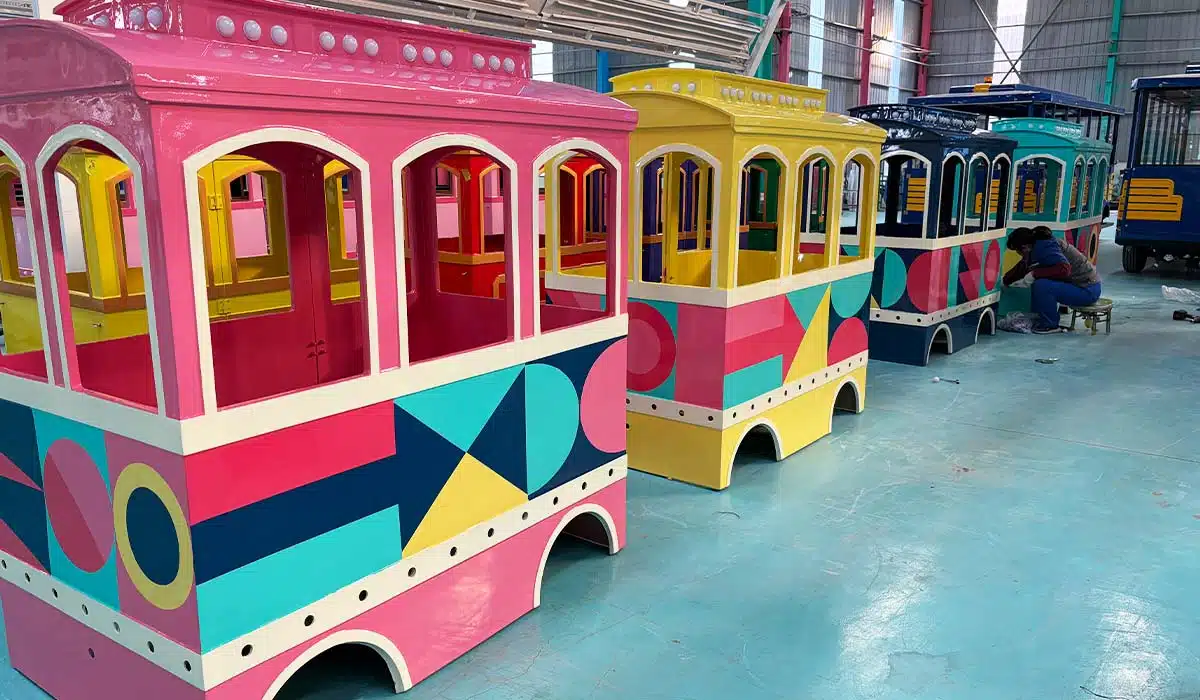
If you are planning to purchase a commercial trackless train, Carnee Rides provides factory-direct solutions including model selection, custom design, manufacturing, shipping and after-sales support. Explore our trackless trains for sale for available models and customization options.
Our advantages include:
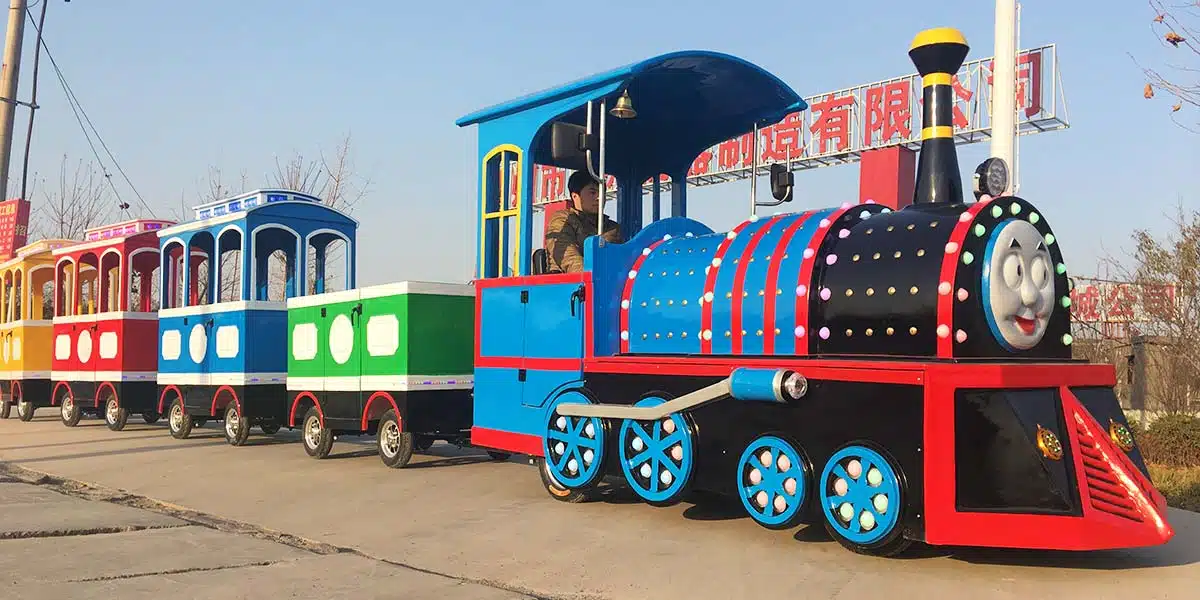
The final cost of a trackless train depends on capacity, power type, battery system, customization, shipping and route requirements.
Instead of choosing only by the lowest price, buyers should compare the full project value, including safety, operating efficiency, passenger experience, maintenance cost and after-sales support.
If you are planning to buy a trackless train, share your project site, route conditions, required capacity and destination port with us. Our team can recommend a suitable model and provide a detailed factory quotation.
Prices differ because of material quality, steel structure, battery type, motor system, carriage design, certificates, customization, after-sales service and whether the supplier is a real manufacturer or a trading company.
Electric trackless trains usually have lower daily operating and maintenance costs. Diesel trains may be better for long routes, steep slopes or sites without charging facilities, but fuel and engine maintenance costs are higher.
Trackless train rental cost depends on location, event duration, delivery distance and train size. Rental is good for one-time events, but buying is usually better for parks, malls, resorts and frequent event rental businesses.
A used trackless train can save money upfront, but buyers must check the battery, brakes, tires, motor, controller, charger, frame, documents and spare parts. For commercial operation, a new train is usually more reliable.
Send the supplier your passenger capacity, destination country, route length, road condition, daily operating hours, preferred power system and design requirements. A reliable manufacturer can then provide a more accurate quotation.
A small shopping mall trackless train usually costs around US$8,000–16,000 for kids models. Larger customized mall trains may cost more depending on carriage quantity, lighting, music system, theme design and battery configuration.
Usually not. Factory reference prices normally exclude sea freight, insurance, import duty, customs clearance, inland delivery and installation costs. Buyers should calculate landed cost before confirming the project budget.

Whatsapp : +86 13623710276
Email : [email protected]
Address : High-tech Industrial Development Zone, Zhengzhou


WhatsApp us

