
what are you looking for?

Jun
A flower field track train should not be treated as a simple add-on ride. For flower parks, scenic spots, resorts, botanical gardens and rural tourism projects, a mini electric rail train can become a moving viewing platform, a photo-friendly attraction and a guided sightseeing route through seasonal flower landscapes.
A successful flower park train ride should solve three practical problems at the same time: how to let visitors enjoy the best flower views, how to protect the planting areas, and how to create a more valuable visitor experience. This requires careful route planning, suitable train selection, safe station design, flower-themed appearance, comfortable carriages and a clear operation plan.
For project owners, the key question is not only “Which track train for sale should I buy?” A better question is:
How can the train route, vehicle design and flower field culture work together to improve visitor flow, photo value, safety and commercial returns?
This guide explains how to plan a flower field track train project from real project needs, including route design, train model selection, passenger experience, safety, seasonal events and revenue planning.

A track train ride is suitable for flower field attractions because it creates a fixed sightseeing route while helping protect the flower landscape.
Large flower fields are visually attractive, but they can be difficult to manage during peak seasons. Visitors may walk into flower beds for photos, elderly guests and children may get tired, and popular viewing areas may become crowded. A well-planned electric track train ride can guide visitors along a fixed route and allow them to enjoy the scenery without damaging planting areas.
A flower field track train can help:
Compared with a normal walking route, a mini electric rail train makes the flower field easier to explore and gives the project a stronger visual symbol for marketing.
A flower field train project should start with site positioning, visitor type and business goals before selecting the train model.
Many projects make the mistake of buying a train first and planning the route later. In practice, the train should match the flower field size, route length, visitor flow, operating season and commercial plan.
A flower field train project needs enough visual depth and seasonal appeal to support the ride experience. Instead of relying on only one small flower area, the site should combine different flower zones, viewing angles and seasonal themes, such as spring blossoms, summer lavender or sunflowers, autumn chrysanthemums, or winter greenhouse flowers.
This makes the train route more attractive and prevents the ride from showing the same view from beginning to end.
Different flower field projects need different train design priorities.
| Project Goal | Train Planning Focus |
|---|---|
| Scenic sightseeing | Open views, slow speed, comfortable seating |
| Family attraction | Cute locomotive, safe boarding, child-friendly design |
| Flower festival operation | Seasonal decoration, strong photo value, flexible ticket packages |
| Rural tourism | Natural style, local culture, agricultural education |
| Botanical garden | Plant knowledge, audio guide, ecological route planning |
| Resort shuttle | Comfort, brand image, route connection and premium appearance |
If the train is mainly for sightseeing, route views and carriage visibility are most important. If it is designed for families, the appearance, boarding safety and photo value become more important. If the project is part of a resort, the train should also connect parking, hotels, restaurants, flower gardens and activity areas.


The route should be planned around flower viewing, not simply around the edge of the site.
For a flower field track train, the route determines the visitor’s impression of the whole project. A good route does not just move people from one point to another. It creates a complete sightseeing journey.
The train route should connect the flower areas that visitors most want to see. It should also pass by viewing platforms, photo spots, rest areas, markets, cafés and activity zones.
A practical route may include:
This type of route makes the train part of the visitor journey instead of a separate ride.
Flower fields depend heavily on visual experience. A straight track may be easy to build, but a gentle curved route often creates a better sightseeing effect. Curves allow the flower field to appear gradually and give passengers more changing views during the ride.
For large flower parks, the track can run along the edge of flower beds or between different flower zones. This protects the planting area while still giving passengers a wide and comfortable view.
A good flower field route should protect the landscape. The track should avoid fragile flower beds, wet soil, irrigation systems, maintenance roads and ecological protection zones.
The route should also leave enough space for:
In a flower field project, landscape protection is not separate from operation. It directly affects visitor experience and long-term project value.


A track train is often more suitable for flower fields when the route is fixed, scenic and designed to protect planting areas.
Many flower sea and flower park projects have planned routes that do not need to change every day. In this case, a ride-on track train provides a clearer and more stable sightseeing path. The rails also help define the movement route, keeping the train and visitors away from sensitive flower areas.
A mini electric rail train is especially suitable for:
A trackless train is still useful when a project needs flexible routes, temporary event paths or operation on plazas and commercial streets. But for many flower field attractions, a fixed electric track train ride gives visitors a more immersive and organized experience.
If you are comparing the two options, our guide on trackless train vs. track train explains the difference between flexible road operation and fixed rail operation.
The right mini electric rail train should match route length, passenger capacity, site style, daily operating hours and budget.
A flower field train is not designed for speed. It should run smoothly at a comfortable pace so visitors can enjoy the scenery and take photos. When choosing a model, buyers should focus on safety, comfort, passenger capacity, visual style and operation stability.
Many flower park train ride projects use one locomotive with three or four passenger carriages. Depending on carriage layout, common capacity options may include 16, 24 or 32 passengers.
Typical configurations include:
Capacity should be selected based on visitor flow and route cycle time. If the train is too small, queues may become long during flower festivals. If the train is too large, it may not be efficient for a small flower garden.
A mini electric rail train is suitable for flower parks because it operates with lower noise and no exhaust during operation. This supports a cleaner and quieter flower viewing environment.
Before purchasing, buyers should confirm:
For flower field sightseeing, stable low-speed operation is usually more important than high speed.
Outdoor track train rides should use durable materials and proper surface treatment. Common considerations include steel structure, fiberglass body, galvanized parts, automotive paint, anti-rust treatment and weather-resistant coating.
For a flower park, appearance is part of the visitor experience. Smooth paint, clean body lines, stable carriage structure and well-finished decorative details can make the train look more professional and more suitable for photos.
Safety should be confirmed before exterior decoration. Important features may include soft start, reliable braking, emergency stop, safe carriage connection, handrails, warning signs and trained operation procedures.
For family and children’s projects, safe boarding height, controlled speed and clear station management are especially important.
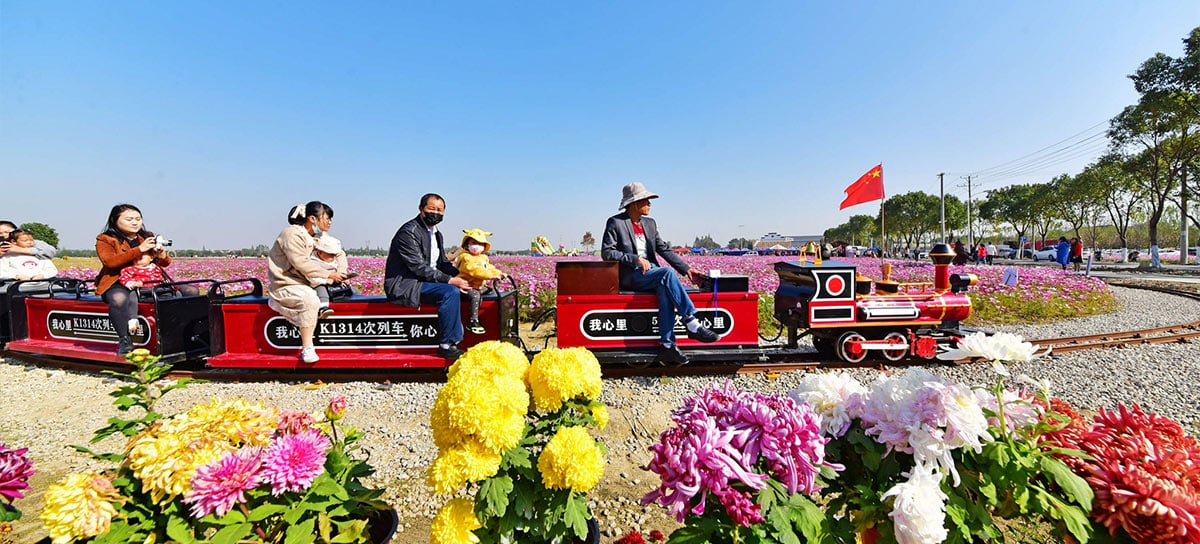
The train appearance should match the flower field theme instead of looking like a random vehicle placed in the park.
A flower field train becomes more memorable when its locomotive, carriage colors and body graphics match the season, flower type and local culture. The goal is not to make the train overly decorated. The goal is to make it recognizable, clean and photo-friendly.
Train colors can follow the main seasonal theme of the site. For example, a cherry blossom route may use pink and white. A sunflower route may use yellow and green. A lavender field may use purple details. A resort-style flower park may choose elegant green, cream, gold or white.
The color should support the flower landscape, not compete with it.
A moving train needs simple graphics. Large flower patterns, clear lines and short slogans are usually better than many small details.
Good design options include:
Avoid filling every part of the train with complex graphics. A clean design often looks more premium and photographs better.
Different flower field projects need different visual styles.
A rural flower field may use natural green or vintage colors. A children’s flower garden may use a pink cartoon locomotive. A cultural scenic spot may add local patterns or traditional colors. A resort may prefer a more elegant tourist train design.
Good design should make visitors feel that the train belongs to the site.

Carriage design should allow visitors to see the flower field clearly while staying comfortable and safe.
The scenery is the main value of a flower field train ride. If the carriage blocks the view or feels crowded, the ride loses its appeal. The best carriage type depends on climate, route length, visitor group and operation season.
Open or semi-open carriages are suitable for flower fields because they provide better visibility, airflow and photo opportunities. They work well for spring and summer flower festivals, countryside tourism and short scenic routes.
Covered carriages are useful for sun protection, rain protection and longer operation seasons. They are also better for elderly visitors, longer routes or projects in regions with strong sun or wind.
Seats should match the expected ride duration and main visitor group. Family visitors, children, seniors and photography groups may have different needs. The boarding area should be easy to access, and the station should have enough space for safe waiting and passenger flow.
A flower field train ride becomes more valuable when visitors learn something during the journey.
Many flower parks are beautiful, but visitors may not understand the flower language, planting story, local culture or ecological value behind the scenery. Audio guides, QR codes and station signs can add depth without making the experience complicated.
Useful guide content may include:
Audio content can be played when the train enters different flower zones. QR codes can link to flower introductions, route maps, event schedules, ticket pages or children’s learning tasks.
For international destinations, multilingual audio can improve the experience for overseas visitors.

Interactive activities can turn a simple train ride into a memorable visitor experience.
The train should not operate in isolation. It can become the starting point for photo routes, family games, education programs and seasonal events.
Practical ideas include:
For children, simple tasks such as finding flower colors, identifying insects or collecting station stamps can make the ride more engaging. For adults, photo routes and festival services can increase sharing and repeat visits.

A flower field train should support seasonal events, not only daily sightseeing.
Flower attractions are naturally seasonal. A train can become the main visual symbol and traffic connector during flower festivals. It can connect flower viewing, markets, cafés, workshops, photo spots and performance areas into one complete visitor route.
Seasonal train ideas include:
The same electric track train ride can be refreshed with temporary body wraps, flower garlands, LED lights and station decorations. This keeps the project fresh without replacing the whole train.
Commercial add-ons may include flower bouquets, dried flower products, flower tea, perfume, local snacks, photography services, parent-child workshops and souvenir postcards.
Safe operation protects both passengers and the flower landscape.
Before opening, the project team should check track condition, roadbed stability, turning areas, slopes, pedestrian crossings, station safety and emergency access. The train should also match passenger capacity, route length and outdoor conditions.
Key safety points include:
If the project mainly serves children and family visitors, our kids amusement trains safety operation guide provides useful safety and operation points for family-oriented train rides.

Maintenance should cover the vehicle, track, station and surrounding landscape.
A flower field train project depends on visual experience. If the train looks old, the track area is dirty or the station is disorganized, visitors will feel the project is poorly managed.
Train and track maintenance should include:
Landscape and route maintenance should include:
For more detailed inspection ideas, you can refer to our trackless train maintenance guide for amusement parks and scenic resorts. Many daily inspection and management principles are also useful for track train operation.
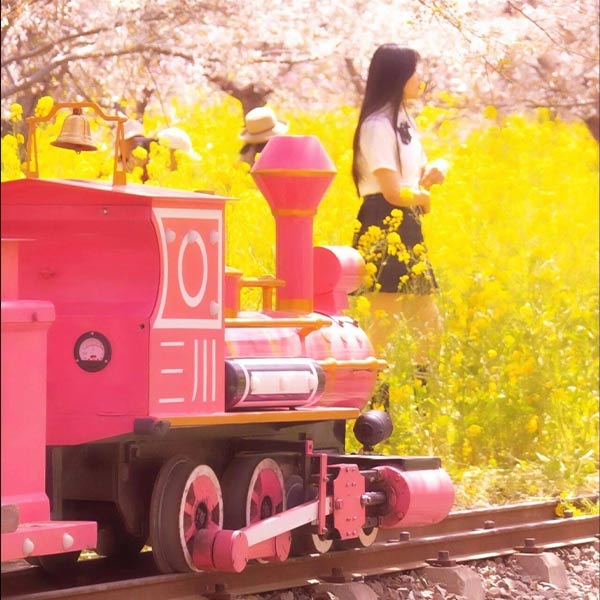

A flower field train should be promoted as a signature attraction before visitors arrive.
Modern tourists often choose destinations based on photos, short videos and social media recommendations. A flower train is naturally suitable for visual marketing because it combines colorful flowers, a moving vehicle, family experience and seasonal themes.
Useful promotion methods include:
Simple messages often work best:
When the train has a clear visual identity, visitors are more likely to recognize it, photograph it and share it.
This checklist can help project owners confirm whether the train, route and flower landscape are planned as one complete system.
| Planning Item | What to Confirm | Why It Matters |
| Flower resources | Main flower types and blooming seasons | Decides seasonal themes and route timing |
| Site size | Flower field area and visitor capacity | Affects train size and route length |
| Route design | Viewing angles, stations and service areas | Shapes the visitor journey |
| Train type | Mini electric rail train, track train ride or trackless train | Affects route flexibility and operation model |
| Passenger group | Families, children, seniors, tour groups or photographers | Affects comfort, safety and carriage design |
| Train theme | Flower colors, body graphics and cultural elements | Builds visual identity and photo value |
| Power system | Battery capacity, motor power and charging time | Affects daily operation |
| Guide content | Flower stories, audio, QR codes and education | Adds cultural and educational depth |
| Festival plan | Seasonal events, special trains and markets | Supports repeat visits and commercial value |
| Safety control | Speed, stations, emergency stop and crowd areas | Protects visitors and flower beds |
| Marketing plan | Photos, videos, social media and ticket packages | Increases visibility and bookings |
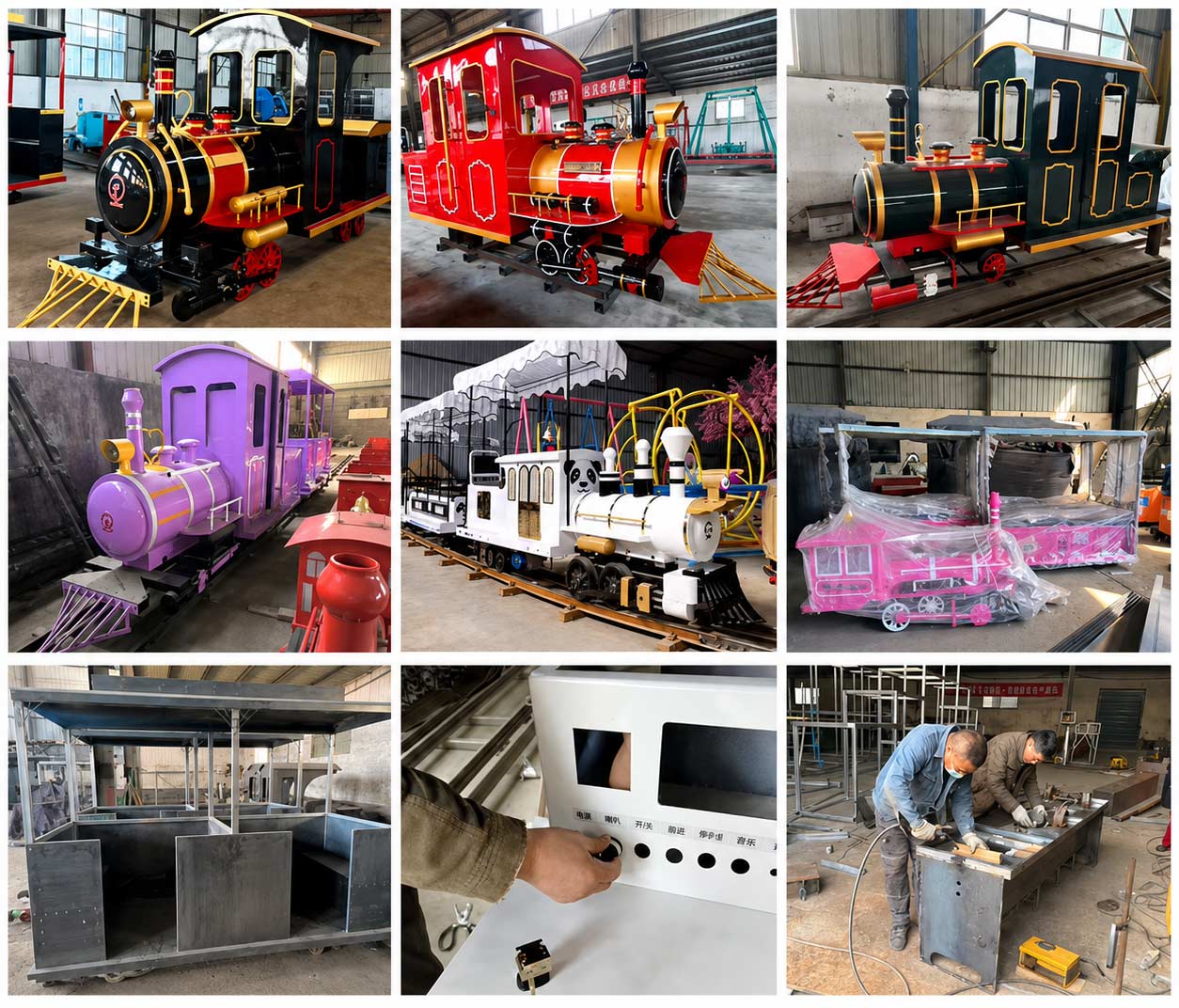
A flower field train project needs more than a standard ride-on train. The train should match the route length, flower landscape, passenger capacity, station layout, operating season and visitor group. For flower parks and scenic spots, the right train design can improve sightseeing comfort, protect planting areas and create a stronger photo-friendly attraction.
For buyers looking for track train rides for sale or a mini electric rail train for flower parks, Carnee Trains can provide customized solutions for scenic spots, resorts, botanical gardens, rural tourism attractions, amusement parks and family entertainment projects.
Customization options may include:
Electric track train configuration
1 locomotive with 3 or 4 passenger carriages
16-person, 24-person or 32-person capacity options
Open, semi-open or covered carriages
Flower-themed body colors
Custom train body graphics
Logo and brand placement
LED lighting
Audio guide system
Comfortable seats
Route and station suggestions
Export packing and delivery support
Spare parts and after-sales service
Carnee Trains can help buyers choose a suitable flower park train ride, scenic spot train ride, mini electric rail train or custom amusement park track train according to site size, route condition, target visitors and project budget. For example, a compact flower garden may need a smaller train with open carriages, while a large flower festival route may require higher passenger capacity, stronger operating efficiency and better station planning.
Before choosing a supplier, buyers should also check the train structure, track system, passenger capacity, safety configuration, customization ability, spare parts supply and after-sales support. For more practical purchasing advice, our guide on buying amusement track trains explains common mistakes to avoid before investing in a track train ride.

A flower field track train is a small sightseeing train that runs on a fixed rail route through flower parks, scenic spots, botanical gardens, resorts or rural tourism attractions. It helps visitors enjoy flower landscapes comfortably while protecting planting areas and improving route organization.
Yes. A mini electric rail train is suitable for many flower parks because it runs quietly, follows a stable route and provides a comfortable sightseeing experience. It is especially useful for family visitors, children, elderly guests and large flower fields.
Passenger capacity depends on locomotive and carriage configuration. Common project options may include 16-person, 24-person or 32-person capacity. A train with one locomotive and three or four passenger carriages is often used for flower parks and outdoor scenic routes.
The route should connect main flower zones, viewing platforms, photo spots, service areas and activity nodes. It should provide good viewing angles, avoid sensitive planting areas and allow safe boarding at stations.
A track train is often better for fixed flower field routes because it creates an organized sightseeing path and helps protect planting areas. A trackless train is better when the project needs flexible routes or temporary event operation.
Yes. The train can be customized with flower-themed colors, body wraps, logos, LED lights, carriage decoration and seasonal festival designs. The theme should match the main flower species, local culture and visitor group.
Important safety features include stable vehicle structure, safe carriage connection, emergency stop, reliable braking, clear station signs, trained operators, controlled speed, safe boarding areas and regular inspection.
Revenue can come from train tickets, package tickets, festival services, private group rides, flower markets, food and beverage sales, souvenirs, photography services, sponsor advertising and parent-child education programs.
A flower field track train project is not only about adding a small train to a scenic area. It is about designing a complete visitor journey around flowers, scenery, comfort, safety and commercial value.
A well-planned route can connect flower zones, viewing platforms, photo spots and service areas. A suitable mini electric rail train can become a moving flower-themed landmark. Guide content, interactive activities, seasonal festivals and good maintenance can make the project more memorable and more sustainable.
If you are planning a flower park, botanical garden, scenic resort or rural tourism attraction, start with your flower resources, route conditions, visitor group and seasonal operation plan. Then choose a suitable electric track train ride, flower park train ride or custom mini rail train that matches your project goals.
Contact Carnee Trains to discuss a custom flower field track train solution for your scenic spot, resort, flower park or family tourism project.

Whatsapp : +86 13623710276
Email : [email protected]
Address : High-tech Industrial Development Zone, Zhengzhou


WhatsApp us

